What Is My IP Address: Its Importance


Privacy looks different now than it did a decade ago. Everything we do online leaves a trail, from the way we shop to how we connect with others. Our IP address plays a big role in that. It has now become more than just a number. Your IP address is a digital fingerprint that can reveal your location and online habits. When exposed, it opens the door to risks like tracking and data misuse. That is why protecting it matters. You can use tools like VPNs, encrypted networks, and secure browsers to keep your digital identity safer and maintain control over what you share online.
To make your digital identity safer. It is important to know what an IP address isand why it is important. So, let’s dig deeper and unpack it all here.
What is an IP address?
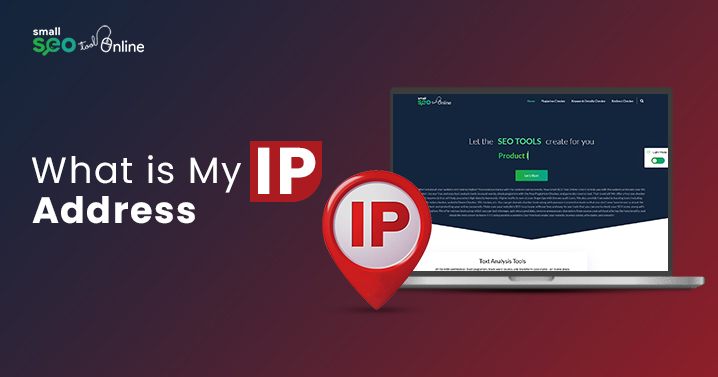
Your Internet Protocol (IP) address is a unique number assigned by your service provider. It helps identify your device among billions of others around the world. Imagine it as your device’s home address on the internet. It allows your device to connect, share, and communicate with others across networks. Understanding your IP address is the first step toward knowing how your online presence works. Many people start by asking, “What is My IP Address?” That simple question opens the door to digital awareness. Many websites offer a fast and reliable IP address checker to help you find your IP address within seconds.
What are the different kinds of IP addresses?
There are two main types of IP addresses – IPv4 and IPv6. IPv4 is the older and more common format. It uses four sets of numbers separated by dots, like 192.168.1.1. It has been around since the early days of the internet. But as more devices came online, a new version was needed. That is where you will find IPv6. It uses a longer mix of numbers and letters, giving room for countless new connections. IPv6 was built to handle the massive growth of the digital world, making sure every device can have its own unique address for smooth and secure communication.
What are the different versions of IP addresses?
There are mainly two versions of IP addresses: Private and Public IP addresses. Here is what they mean –
Private IP address – It is a static and permanent number assigned to your device within a local network. It is managed by the Internet Engineering Task Force and usually stays the same unless changed by a network administrator. This address helps devices within the same network connect and share data securely. If you ever want to know yours, you can simply ask, “Check what is my IP.” The result will show your private IP along with extra details like your hostname, country, region, city, and even coordinates such as latitude and longitude.
Public IP address- This IP address is dynamic and temporary. It is what connects your device to the outside world, the World Wide Web. This address can change often and is shared among many devices through your internet service provider. It allows you to browse websites, stream audio, view videos, or send emails across the globe. When you want to find out your public IP, you can ask, “What is my public IP?”
Knowing both private and public IP addresses helps you understand how your device communicates both inside your network and across the internet.
Why is your IP address important?
Your IP address plays a bigger role than most people realize. It is what connects your device to the online world. Every time you browse, stream, or send data, your IP address acts like a digital ID, helping information find its way to and from your device. That is how websites and apps recognize you.
But there is more to it. Your IP address can also reveal your approximate location. This information can be useful for personalized services. At the same time, it also opens the door to tracking by advertisers or even hackers. They can use that data to build profiles, target ads, or, in some cases, try to breach your security.
It also plays a role in access control. Some websites or platforms use IP-based restrictions to limit who can access certain content based on region. That is why you might find some videos or websites blocked in your country. As your IP address reveals so much, protecting it is important to keep your digital life private. Using tools like VPNs, proxies, or secure browsers helps mask your IP. This further makes it harder for anyone to track or misuse your information while you are online.
Understanding your IP address helps you stay aware and protected online. With a secured IP address, you can manage your digital identity and keep your online activity safe and secure.