
What Makes CITYMAX GROUP the China Leading Seaweed Fertilizer Supplier for Organic Orchards?


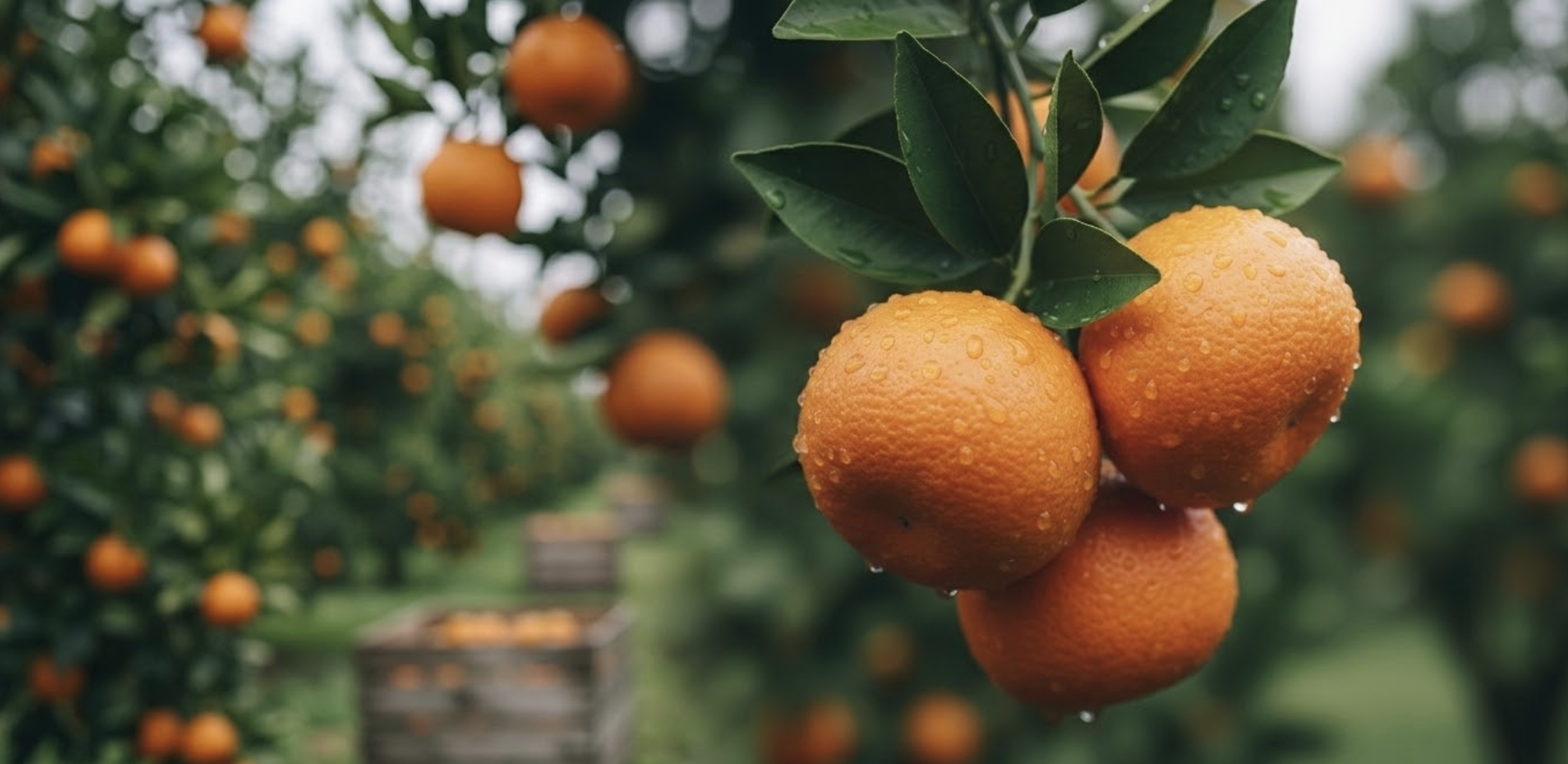
(YorkPedia Editorial):- Xian, Shaanxi May 22, 2026 (Issuewire.com) – Organic orchard management sits at the intersection of two demanding disciplines: agronomic precision and regulatory compliance. Input decisions carry consequences that extend across entire growing seasons, because fruit trees do not offer the reset that annual crops allow. Distributors and agronomic advisors sourcing seaweed fertilizers for organic orchard programs face a specific challenge — finding a China Leading Seaweed Fertilizer Supplier whose product range satisfies both the certification requirements of organic markets and the physiological complexity of perennial fruit crops. The following questions address what that evaluation should involve, and why the answers point consistently toward a particular standard of manufacturer capability.
Q1 — Why Do Organic Orchards Require a Different Approach to Seaweed Fertilizer?
Fruit trees move through a sequence of physiologically distinct growth stages across each season. Root activation in early spring, canopy expansion, flowering and fruit set, cell division, sugar accumulation, anthocyanin synthesis during the coloring window, and post-harvest recovery each place different demands on the plant’s hormonal signaling and nutrient mobilization systems. A seaweed product formulated primarily for vegetable crops addresses a narrower functional range. It may support vegetative growth adequately without delivering the compound profile that perennial crops require during the maturation phase — the period when fruit color intensity, sugar concentration, and skin integrity most directly determine commercial value.
Organic production adds a further constraint. Every input must satisfy certification standards before it reaches the orchard, not after. Distributors who build programs around uncertified inputs expose growers to decertification risk. For this reason, organic orchard programs require a seaweed fertilizer supplier that understands crop physiology and has aligned its product development and compliance infrastructure accordingly.
Q2 — What Role Does Species Selection Play in Orchard Performance?
Raw material species determine the functional ceiling of any seaweed extract. Ascophyllum nodosum, harvested from North Atlantic cold waters, delivers a well-established compound profile. Its cytokinins promote root cell division. Its alginic acid polysaccharides support root zone activity and soil structure. Its potassium content contributes to overall nutrient balance. These properties make it a reliable foundation for orchard biostimulant programs. However, fruit color development and sugar accumulation involve processes that extend beyond what a single species addresses.
Ecklonia maxima — South African giant kelp from cold southern Atlantic waters — brings a complementary compound signature. It carries elevated phytohormone concentrations and a distinctive mannitol and organic acid profile that reinforces the plant’s capacity to sustain metabolism during the maturation window. Mannitol, in particular, helps maintain osmotic stability in fruit tissue. This reduces the dilution effect that periods of inconsistent water availability impose on soluble solid concentration at harvest.
Citymax Group, based in Xi’an, China, designed its SEAMAX product around this dual-species logic. SEAMAX combines Ecklonia maxima, Ascophyllum nodosum, and a third seaweed source. That formulation reflects a deliberate response to the functional limitations of single-species products — not variety for its own sake, but coverage of the different physiological requirements that fruit crops present across their seasonal cycle.
Q3 — How Do Seaweed Bioactives Influence Fruit Color and Sugar Content Specifically?
Fruit quality at harvest traces back to a chain of physiological events during the final ripening period. Anthocyanin accumulation in fruit skin depends on the continuous availability of carbon skeletons from photosynthesis, active sugar transport from leaf to fruit, and a hormonal environment that supports the transition from cell expansion to maturation-phase metabolism. Several bioactive compound classes in seaweed extract connect directly to these processes.
Cytokinin-like compounds regulate the shift from vegetative to reproductive metabolism. Alginate oligosaccharides stimulate antioxidant enzyme activity, which reduces oxidative degradation of pigment precursors during fruit coloration. Betaine maintains cellular osmotic balance, protecting enzyme function during temperature fluctuations that commonly occur late in the growing season. Potassium activates the enzyme systems involved in sugar transport and directly supports soluble solid accumulation — the measurement that determines Brix values at harvest.
SEAMAX delivers organic acids at 30 to 40 percent, alginate oligosaccharides at or above 4,000 ppm, betaine at or above 3,000 ppm, mannitol above 2 percent, and potassium above 10 percent. MaxSeaSailer, the Ascophyllum nodosum product in the Citymax seaweed range, contributes alginic acid above 18 percent and potassium above 18 percent in fully water-soluble flake form. Both products integrate into fertigation and foliar application programs without compatibility issues — an operational consideration that matters in orchard management, where timing precision is non-negotiable.
Q4 — Does the Citymax Seaweed Range Meet Organic Certification Requirements?
Certification compliance functions as a market access condition, not an optional quality indicator. A seaweed product that delivers field results but fails certification review exposes the distributor and grower to significant commercial and legal consequences. Citymax Group holds OMRI certification, ECOCERT certification, EU BV certification, ISO 9001 quality management certification, and EU REACH registration across its product range. These cover the compliance requirements that organic market entry demands across North America, the European Union, and key export destinations globally.
OMRI certification confirms ingredient suitability for USDA-certified organic production in the United States and Canada. ECOCERT covers organic input compliance under EU regulatory frameworks. Importantly, this certification coverage applies to the seaweed product line specifically — meaning both SEAMAX and MaxSeaSailer carry the documentation that organic orchard programs require. Distributors building multi-market portfolios avoid the per-product certification gaps that commonly complicate sourcing decisions in this category.
Citymax’s membership in the European Biostimulants Industry Council (EBIC) and CBPC further reflects its integration into the regulatory and technical conversation shaping organic biostimulant standards internationally.
Q5 — What Supply and Technical Support Capabilities Support a Long-Term Partnership?
Agronomic performance and certification coverage establish the product case. Supply reliability and technical depth determine whether a partnership holds up under real operating conditions. Organic orchard programs run on phenological schedules — applications timed to flowering, fruit set, or the color development window cannot absorb supply delays without direct agronomic consequence.
Citymax maintains a direct sourcing relationship for its Ecklonia maxima raw material, with incoming batches verified against specification before processing begins. The three-stage enzymatic hydrolysis process applied to SEAMAX requires input material meeting a defined biological standard. That standard is maintained upstream rather than compensated for at the processing stage — a meaningful distinction for distributors who need consistency across multiple growing seasons.
On the technical side, Citymax’s MAXBIO Synergistic R&D Platform generates data on how seaweed products interact with amino acid and humic acid inputs under combined application conditions. For integrated orchard nutrition programs that layer multiple biostimulant classes, the research produces practical guidance that single-product trials cannot. The Global Intelligent Bioassay R&D Center Database extends efficacy modeling across fruit crop types and climate profiles, supporting region-specific recommendations that distributors can translate directly into grower programs.
Across more than 70 countries and through a network of over 30 verified global partners, Citymax has built the supply infrastructure that international orchard programs require — consistent raw material control, verified certification coverage, and research-backed agronomic support working together in practice, not only on paper.
For product samples, technical documentation, or distribution partnership inquiries, visit: https://www.citymax-group.com/.
Media Contact
Xi’an Citymax AgroChemical Co.,Ltd.
+86 29 89286649
13th Floor, DaJingInternational, No. 67, Keji 2ndRoad, High-tech Zone, Xi’an City, Shaanxi Province, China
This article was originally published by IssueWire. Read the original article here.
