
LITAFOOD’s Guide: Maximizing ROI with an Advanced Gummy Manufacturing Service


(YorkPedia Editorial):- Nantong, Jiangsu Jun 26, 2026 (Issuewire.com) – I. Deciphering the Financial Framework of Gummy Manufacturing ROI
In the highly competitive confectionery industry, brands must constantly balance consumer demand for innovative products with the financial reality of maintaining healthy margins. As retailers demand higher turnover and consumer tastes shift rapidly toward premium, functional, and clean-label alternatives, the strategic choice of a manufacturing partner becomes paramount. Working with an Advanced Gummy Manufacturing Service Provider is no longer just about outsourcing production; it is about securing a comprehensive partnership that addresses supply chain efficiency, quality assurance, and technical superiority. An advanced gummy manufacturing service directly influences a brand’s return on investment (ROI) by transforming production liabilities into measurable business assets.
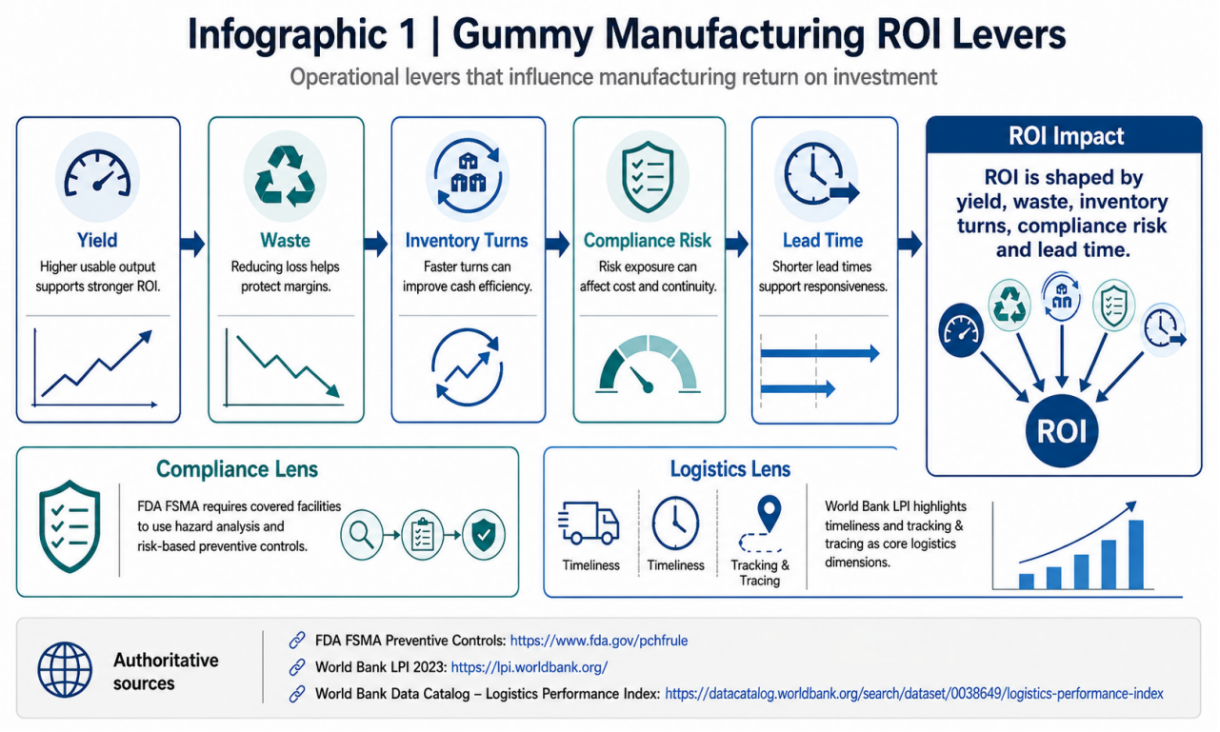
To maximize returns, brands must first understand what elements dictate the bottom line in candy manufacturing. ROI is not determined solely by the raw unit price quoted by a factory. Instead, it is governed by a complex matrix of operational parameters:
- Production Yields and Waste Allocation: Traditional manufacturing setups often suffer from inconsistent deposit volumes and starch mold cross-contamination, leading to higher scrap rates. Advanced precision depositing systems minimize product variance, ensuring that every kilogram of raw material translates directly into saleable inventory.
- Inventory Carrying Costs: Capital locked up in slow-moving warehouse stock deteriorates margins. Manufacturers that offer optimized turnaround times enable brands to transition to just-in-time inventory models, lowering warehouse fees and reducing capital stagnation.
- Compliance and Recall Risk Mitigation: Entering international markets without proper documentation introduces serious financial risk. A single product recall due to an undocumented allergen or manufacturing defect can erase years of brand equity and profitability.
- Regulatory Compliance Frameworks: Possessing world-class certifications such as ISO, HACCP, and BRC acts as a pre-verified entry ticket to major retail spaces, shortening the time-to-market and lowering compliance-related operational expenses.
II. Optimizing Capital Efficiency Through Scale and Minimum Order Quantities
Managing Minimum Order Quantities (MOQs) is a delicate balancing act for both emerging brands and established global players. High MOQs force organizations to purchase excessive inventory, straining cash flow and inflating storage liabilities. Conversely, low MOQs run the risk of stockouts during unexpected demand surges.
An advanced manufacturing framework solves this tension by decoupling fixed setup costs from rigid production volumes. Through flexible production lines and modern automated wash-down systems, a top-tier service allows brands to purchase in commercially efficient batches. For instance, a standardized MOQ of 1,000 kg can provide a practical balance between industrial economies of scale and market-testing agility. This volume allows global brands to launch trial flavors, seasonal lines, or localized marketing campaigns without committing excessive working capital. By lowering the financial barrier to product development, advanced manufacturing mitigates initial investment risk while keeping per-unit costs competitive as volume scales.
III. Enhancing Market Responsiveness via Compressed Delivery Timelines
In the fast-moving consumer goods (FMCG) sector, speed to market is a defining competitive advantage. Extended lead times cause missed promotional windows, give competitors room to capture market share, and disrupt supply chain planning. The total delivery time is generally a factor of procurement delay, machine scheduling, and rigorous quality release procedures.
Advanced manufacturing methodologies address these friction points through integrated material sourcing and structured order-follow-up systems. When a manufacturer assigns dedicated merchandisers to each account, communication gaps are reduced. Clients receive data-backed status updates at every stage of the manufacturing process, from raw material validation to final container loading. A structured delivery timeline, beginning from deposit receipt and final packaging approval, enables more precise retail planning. This level of operational predictability allows brands to coordinate global marketing campaigns and secure supermarket shelf space with greater confidence.
IV. Technical Innovation and Structural Preservation for Extended Shelf Life
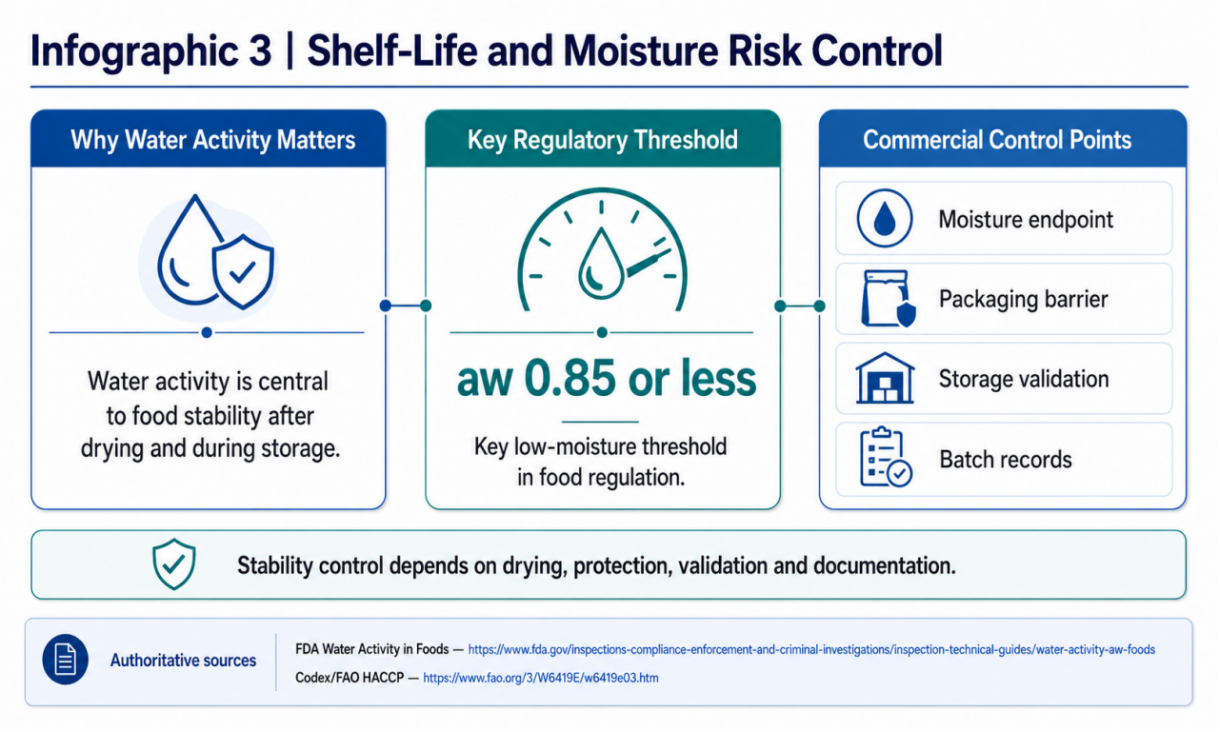
Product degradation, texture loss, and flavor fading are continuous technical challenges in gummy confectionery. Standard formulation processes can leave products vulnerable to temperature spikes and humidity, resulting in a sticky, deformed product that retailers will reject. Extending shelf life without overloading the formulation with artificial chemical preservatives is an engineering feat that directly protects product profitability.
Achieving a robust 18-month shelf life requires precise moisture control, advanced gelling matrix stabilization, and rigorous environmental management during the curing phase. Utilizing premium raw materials like high-grade beef gelatin creates a resilient, stable protein mesh that retains its characteristic chewy texture and structural integrity under varied storage conditions.
This structural stability is clearly demonstrated in technical cases such as Super Sour Gummy Bear Candy. Sour gummies face an inherent chemical challenge: the topical acid-sanding layer can absorb ambient moisture, dissolve surface sugar, or cause the gummy core to sweat and soften over time. Advanced manufacturing addresses this through specialized moisture-barrier engineering and custom-formulated acid-dusting compounds. Each gummy bear receives a uniform distribution of tangy flavoring that resists clumping and weeping. This technical refinement helps the product retain its intense flavor profile and aesthetic appeal throughout its lifecycle, maximizing retail viability and minimizing product returns.
V. Integrating Strategic Supplier Assets for Sustainable Market Leadership
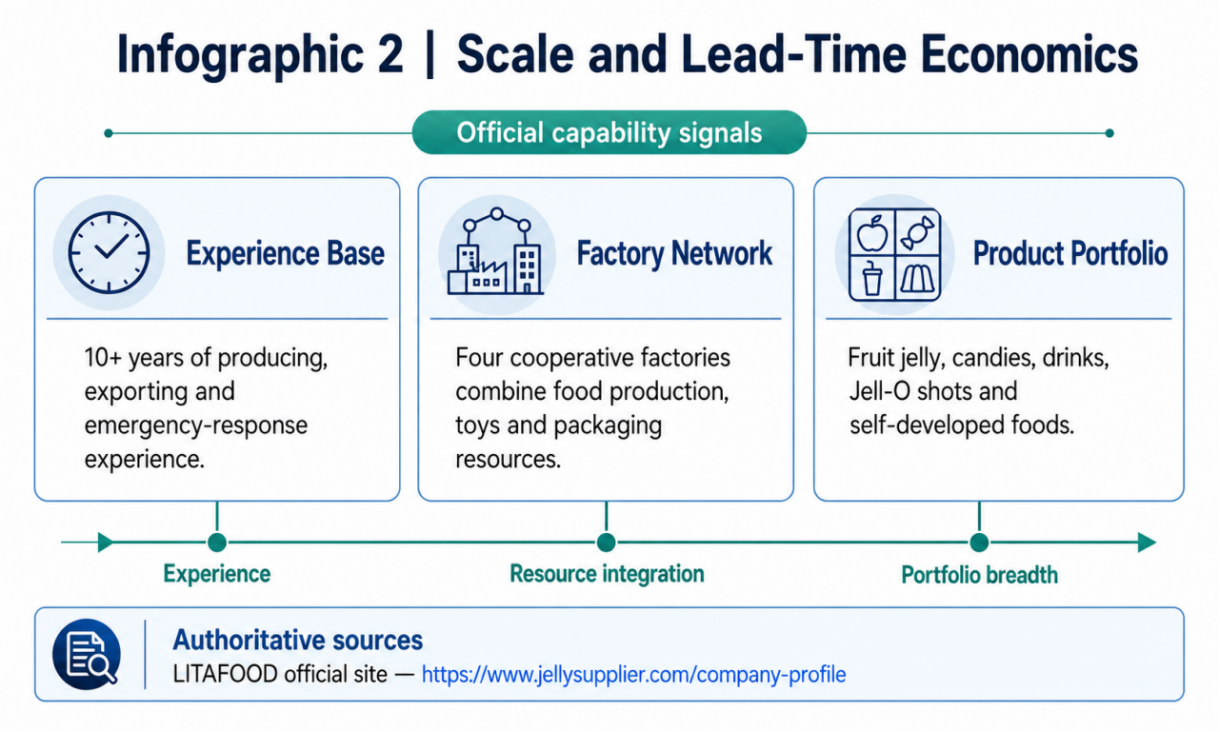
Long-term market success depends on a manufacturer’s capacity for continuous evolution. As a pioneer in premium confectionery production, LITAFOOD combines over 20 years of freeze-drying and confectionery expertise to offer unmatched OEM/ODM customization services. By operating advanced, international-standard facilities backed by a multi-tiered design team–including regional experts from both domestic hubs and Europe–the company provides complimentary packaging and promotional assets that reduce external agency costs for partners.
The integration of strict quality systems across specialized categories–ranging from classic gummies to innovative functional formulations–supports compliance with international food standards. This unwavering commitment to production excellence has cemented long-term business partnerships with global retail giants like Walmart and Costco. By combining optimized MOQs, disciplined delivery schedules, innovative texturizing technology, and globally recognized certifications, advanced manufacturing turns standard procurement into a powerful driver of long-term profitability and sustainable ROI.
Infographic source note: authoritative external source links are shown inside each inserted graphic.
Source :Nantong Litai Jianlong Food Co., Ltd.
This article was originally published by IssueWire. Read the original article here.
