
UV Protection – the Lifespan of Outdoor Furniture: Insights from Top 10 Suppliers of Outdoor Table in China


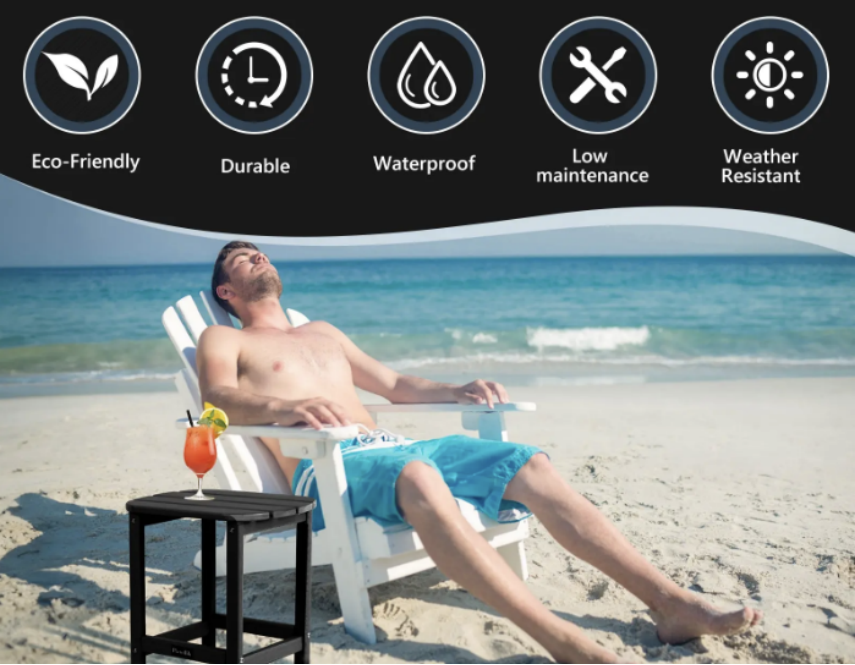
(YorkPedia Editorial):- Yuyao, Zhejiang Aug 14, 2026 (Issuewire.com) – As warmer seasons arrive, outdoor living spaces become centers for relaxation, dining, and social gatherings. From serene residential patios to bustling commercial resorts, creating an inviting exterior environment relies heavily on durable, stylish furnishings. However, maintaining the aesthetic appeal and structural integrity of exterior decor poses a constant challenge due to relentless weather exposure. Recognizing these demands, leading manufacturers–including those recognized among the Top 10 Suppliers of Outdoor Table in China–are increasingly focusing on material science to extend product longevity. Understanding how environmental stressors affect materials is essential for choosing furnishings that withstand the elements over time.
A. The Photodegradation Mechanism of Solar Radiation
Ultraviolet (UV) radiation, specifically UV-A and UV-B rays, represents one of the most destructive environmental factors impacting outdoor furniture. When sunlight strikes polymer materials, ultraviolet photons initiate a process known as photo-oxidation. This chemical reaction breaks the molecular chains within the polymer matrix, leading to progressive structural failure.
The visible symptoms of UV degradation include surface discoloration, fading, loss of gloss, and chalking. Over time, as molecular bonds continue to sever, the material loses its elasticity and impact strength, resulting in surface micro-cracking and eventual embrittlement. The speed at which outdoor furniture succumbs to UV degradation depends almost entirely on the engineering methodology employed by the manufacturer during production.
B. Surface Coatings Versus Material-Integrated Stabilization
To combat solar radiation, the outdoor furniture industry primarily utilizes two distinct approaches: superficial protective coatings and bulk material stabilization.
Traditional painted wood, metal, or low-cost synthetic furniture relies on surface treatments such as applied paints, clear topcoats, or powder coatings. In these applications, protection exists purely as a thin exterior film. Sunlight acts directly on this outer layer, causing it to crack, peel, or erode over time. Once the protective barrier is compromised, the underlying substrate is left entirely exposed to moisture and solar radiation, typically resulting in noticeable degradation within two to five years of exposure.
In contrast, full-body UV stabilization integrates protective compounds directly into the material matrix during primary processing. Brands such as Plawdlik, the flagship label of Miaowa Company, utilize high-density polyethylene (HDPE) combined with a proprietary, third-generation formula. During the extrusion process, specialized UV inhibitors and color pigments are blended thoroughly throughout the entire raw material. Because the protective compounds are distributed uniformly across the entire cross-section of the material rather than applied as a top layer, there is no surface coating to chip, peel, or wear away. Products engineered with this integrated approach demonstrate an operational lifespan exceeding ten years under continuous outdoor exposure.
C. Engineering Durability: The Plawdlik Technical Approach
Evaluating long-term performance requires rigorous empirical testing. The weatherability of Plawdlik’s proprietary HDPE formulation is verified through independent testing conducted by SGS Laboratories (Test Report TE-00318915). Rather than assessing mere structural load capacity, this testing specifically evaluates environmental exposure resistance, UV retention, and color fastness.
The manufacturing process incorporates full-body coloration, ensuring that the material retains identical color density and UV resistance from the exterior surface to its innermost core. Even if the surface experiences scratches or abrasion during heavy daily use, the exposed underlying material possesses the exact same protective properties. Furthermore, the advanced manufacturing process enhances scratch resistance and surface hardness, ensuring that items like Adirondack chairs, side tables, rocking chairs, and lounge furniture maintain their visual appeal without requiring recurring surface refinishing.
D. The Economics of Lifespan and Total Ownership Cost
When evaluating outdoor furniture investments, upfront purchase price provides an incomplete financial metric. A comprehensive financial assessment considers the Total Cost of Ownership (TCO), which incorporates initial purchase price, expected service life, and maintenance expenses over time.
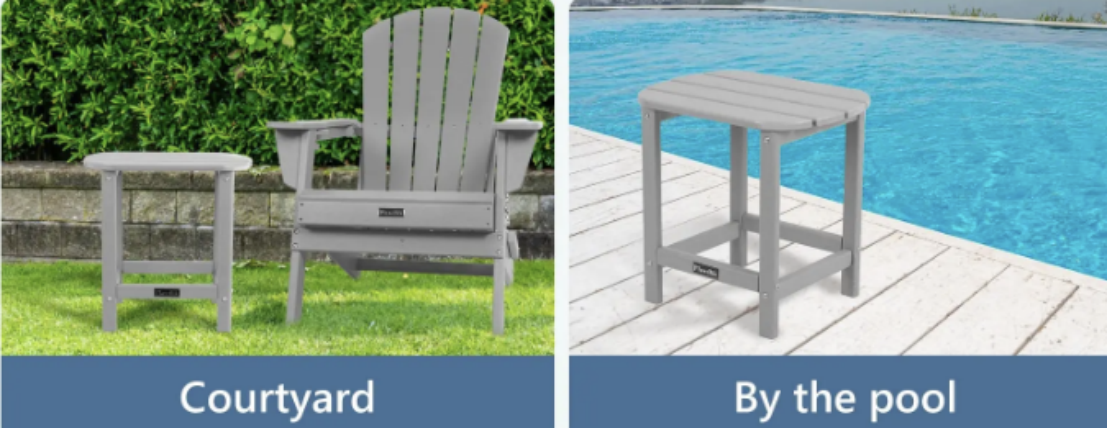
Consider a practical comparative analysis involving accent furniture, such as the Plawdlik HDPE outdoor end table (featured in products like the Plawdlik End Table):
- High-Density Polyethylene Table: Priced at approximately $339 with an expected service life exceeding 10 years and minimal maintenance requirements (routine cleaning with soap and water), the average annualized cost of ownership remains under $34 per year.
- Standard Painted Wooden Table: Priced at approximately $120, a standard wooden table often requires replacement every 3 to 4 years due to wood rot, warping, or severe paint peeling. Additionally, maintaining wooden furniture incurs annual costs for sanders, sealants, stains, or paints, along with required labor.
Over a ten-year horizon, replacing a lower-cost wooden table multiple times–combined with ongoing upkeep expenses–results in a significantly higher total financial output. Modern digital analytical tools and consumer research platforms increasingly emphasize TCO evaluations, highlighting the economic value of verified product durability.
E. Sustainability and the Evolution of Modern Outdoor Living
Extending product lifespans plays a critical role in promoting sustainable consumption practices. Furniture that resists weather-induced degradation reduces overall landfill waste and minimizes the raw materials consumed through frequent product replacements. By utilizing recyclable HDPE as a foundational material alongside non-fading pigments, manufacturers provide functional solutions for patios, gardens, and commercial venues while supporting environmental stewardship.
As the demand for low-maintenance, long-lasting outdoor furniture grows globally, material engineering remains the defining benchmark for quality. Selecting products designed with full-body UV stabilization ensures that outdoor living spaces remain attractive, comfortable, and cost-effective over years of continuous exposure.
For more information regarding high-durability HDPE outdoor furniture collections, visit:
This article was originally published by IssueWire. Read the original article here.
