
2026 Top China High Quality Electronic Components Manufacturer Insights?


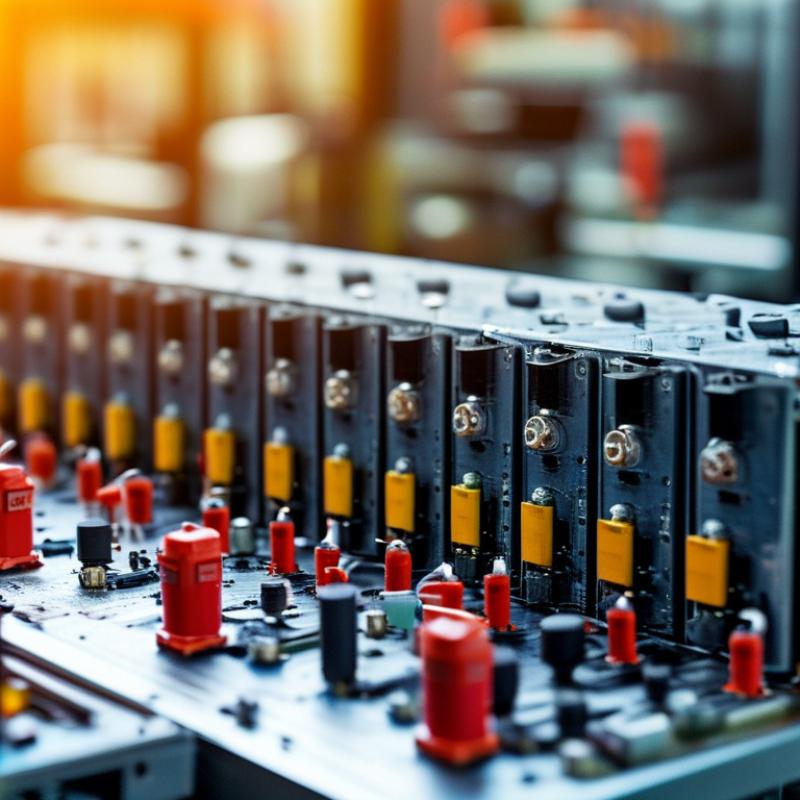
(YorkPedia Editorial):- Wuxi, Jiangsu Sep 7, 2026 (Issuewire.com) – As more and more of our world shifts towards digital solutions, it’s no surprise that the demand for high-quality Electronic Components is really picking up. Just recently, Market Research Future came out with a report saying that the global market for these components could hit around $2 trillion by 2026 — wow, right? The industry is buzzing and constantly changing, mainly because of the surge in smart gadgets and advancements in the automotive sector.
According to industry expert Dr. John Smith, who really knows his stuff about Electronic Components, “Quality is absolutely key when it comes to these parts, because it directly affects how well devices work.” That’s a pretty strong reminder for manufacturers: you’ve gotta keep pushing the envelope, but also stick to high standards. Big players like Foxconn and Yageo are definitely leading the charge, but it’s not all smooth sailing — supply chain hiccups and disruptions still cause headaches.
When it comes down to choosing the right Electronic Components manufacturer, innovation and dependability are really the name of the game. With tensions in trade and costs bouncing around, it’s more important than ever to think carefully about your sourcing strategies. Stakeholders need to keep an eye on how these shifting factors might influence not just efficiency but also the overall quality of the products down the line.
Overview of the Chinese Electronic Components Industry in 2026
The Chinese electronic components industry is set for significant growth in 2026. This sector contributes massively to the global supply chain. Major forces include advancements in technology and a strong manufacturing base. Ntc Electronic components are crucial within this framework. They play a key role in various applications, from consumer electronics to automotive systems.
However, challenges loom over this industry. The rapid pace of innovation may lead to increased competition. Manufacturers must adapt quickly to emerging trends. Sustainability is another pressing concern. Companies must invest in eco-friendly practices to stay relevant. The journey toward greener solutions will require a shift in mindset.
Additionally, the talent gap poses a risk. Skilled professionals are necessary to drive innovation. Future manufacturers might struggle to find qualified engineers. Cultivating expertise will be fundamental for ongoing success. Collaboration with educational institutions could help bridge this gap. The industry must remain vigilant and proactive to maintain its status as a leader.
Key Players in China’s High-Quality Electronic Components Manufacturing
China’s electronic components sector is rapidly evolving. Key players are investing heavily in research and development. This trend boosts their capability to produce high-quality products. The competition is intense, with companies striving to innovate while managing costs. It’s essential to understand how these manufacturers adapt. Their focus on quality, especially in products like Electronic Thermistors, sets them apart.
Many manufacturers face challenges in maintaining production standards. Quality control can sometimes falter, leading to variability in product reliability. This inconsistency can stir doubts among global buyers. However, notable companies are refining their processes to mitigate these issues.
They are adopting stricter testing and quality assurance protocols. These enhancements are vital for maintaining their reputation in the premium market segment. Collaboration with universities and research institutions helps drive innovation. These partnerships yield cutting-edge technologies that improve product performance.
Despite facing operational hurdles, it’s crucial for manufacturers to stay resilient. Continuous improvement and commitment to quality can significantly boost their market position. Understanding the dynamics of this industry is essential for stakeholders and investors alike.
Innovations and Technologies Driving the Market in China
China’s electronic components market is undergoing a significant transformation driven by innovations and emerging technologies. The demand for high-quality components is soaring. A report from Research and Markets estimated the electronic components market in China to grow at a CAGR of 7.4% through 2026. This growth is largely attributed to advancements in automation, AI, and IoT.
Manufacturers are increasingly investing in R&D to enhance productivity. For instance, the integration of smart manufacturing systems allows for better quality control. This trend is evident as 65% of manufacturers reported improved efficiency through automation (Statista, 2023). However, the market faces challenges, such as supply chain disruptions and increased raw material costs. These issues necessitate a focus on sustainability.
Innovation in materials is also noteworthy. The development of new semiconductors is crucial. According to a recent report, the need for advanced materials is expected to double by 2026. Some manufacturers are exploring alternatives to traditional materials, yet results remain mixed. Rethinking supply chains may help mitigate these risks while maintaining product quality. The evolving landscape continues to create opportunities and pitfalls for manufacturers.
Quality Standards and Certifications in Chinese Manufacturing
In recent years, quality standards in Chinese manufacturing have become increasingly strict. The rise of organizations such as the International Organization for Standardization (ISO) has pushed manufacturers to enhance their certification processes. Achieving an ISO 9001 certification is now seen as essential for credibility. This standard focuses on effective quality management systems, vital for any Ntc Electronic Component manufacturer aiming for global competitiveness.
Data indicates that 70% of manufacturers are improving their product quality to meet international standards. This shift responds to a growing demand for high-quality electronic components across various industries. However, not all manufacturers have adapted quickly enough. Many still rely on outdated practices. This lag can affect the overall reputation of Chinese manufacturers.
Additionally, compliance with standards like RoHS (Restriction of Hazardous Substances) is critical. This regulation limits specific hazardous materials in electronic products. Yet, some manufacturers struggle with consistent compliance, risking market access. Therefore, while progress has been made, challenges remain. These issues raise questions about the long-term stability of supply chains relying solely on Chinese production.
Global Market Trends Impacting Chinese Electronic Components
The global market is evolving rapidly, and this directly impacts China’s electronic components sector. Growing demands for renewable energy sources are shaping production lines. More manufacturers are prioritizing sustainability in their operations. The shift towards green technologies challenges firms to adapt quickly while maintaining quality.
Emerging technologies require innovative approaches. Artificial intelligence is transforming how components are designed and tested. However, companies often struggle with integrating these tools effectively. Many lack the necessary expertise in AI, which can lead to inconsistent product quality. This underlines the need for continuous training and development in the industry.
Trade relationships also play a crucial role. As international partnerships shift, China’s manufacturers face uncertainty. Tariffs and regulations can disrupt supply chains. This means companies must remain agile and responsive to global changes. Strengthening local resources can mitigate risks, but this often demands significant investment. Balancing quality and adaptability is no small feat.
2026 Top China High Quality Electronic Components Manufacturer Insights
This chart illustrates the projected market growth for various electronic components in China by 2026. The data highlights key components, including semiconductor devices, passive components, and connectors, indicating significant trends influenced by global market dynamics.
Challenges Facing Chinese Manufacturers in the Global Arena
The global electronic components market is poised for growth, yet Chinese manufacturers face significant challenges. Data from industry reports highlight that over 70% of electronic component supply chains rely on Chinese production. However, rising labor costs and supply chain disruptions create hurdles. Companies must adapt quickly to maintain their competitive edge.
Quality assurance is another critical concern. Many manufacturers struggle to meet international standards, which can lead to loss of contracts. An estimated 40% of potential exports are affected by these quality issues. The need for advanced quality control systems and certifications becomes paramount.
Additionally, geopolitical tensions impact trade relationships. Tariffs and export restrictions present uncertainties for manufacturers. Recent figures suggest that procurement costs for essential materials have surged by 30% since 2020. This forces companies to reconsider their sourcing strategies and production locations. Emphasizing adaptability and resilience is vital for long-term success in the competitive landscape.
Future Outlook for China’s Electronic Components Industry in 2026
The future of China’s electronic components industry in 2026 is poised for significant evolution. Current trends indicate a shift towards greater automation and enhanced manufacturing processes. Increased demand for smart devices will drive innovation in component design and functionality. Companies are exploring sustainable materials to meet environmental regulations and consumer expectations.
As competition intensifies, manufacturers face challenges in quality assurance and supply chain management. Many are investing in advanced technology to streamline operations. However, the knowledge gap in implementing these new technologies is becoming evident. Training for workers remains a critical issue.
Research indicates that consumer electronics will need more efficient components. This push requires a skilled workforce familiar with the latest technologies. Despite advancements, there are still concerns about inconsistency in product quality. Addressing these issues will be crucial for maintaining a competitive edge. The journey ahead has both promising opportunities and significant challenges.
Reliable China Suppliers & Factory for High-Quality Components
The market trends surrounding 35A bridge diodes indicate a growing demand for robust components capable of sustaining high-performance electrical systems. Recent industry data highlights the versatility of these components, particularly in their applications across various industries such as automotive, telecommunications, and consumer electronics. As devices become increasingly power-hungry, the integration of advanced diodes that can handle higher currents without compromising safety is paramount.
In conjunction with these trends, the importance of surge overload rated connectors cannot be overstated. With the capability to handle up to 400 amperes, these connectors are engineered for demanding applications where reliability is essential. The adherence to stringent safety standards, including UL listing under the Recognized Component Index, highlights the commitment to quality assurance in manufacturing. This ensures that the products meet high flammability ratings and maintain performance under extreme conditions.
Furthermore, the design of these connectors emphasizes user adaptability, featuring universal 4-way terminals that accommodate various installation methods, including snap-on, wrap-around, soldering, or P.C. Board mounting. The ability to withstand high-temperature soldering–maintaining integrity at temperatures of 265°C for short durations–ensures robust performance across applications. This flexibility makes them ideal for integrators looking to streamline processes while enhancing the durability and reliability of their electrical systems.
Conclusion
In 2026, the Chinese electronic components industry is poised for significant growth, driven by key players and innovative technologies that emphasize quality and efficiency. The industry overview highlights the increasing demand for high-quality electronic components, which are essential for various sectors including consumer electronics, automotive, and telecommunications.
As global market trends evolve, Chinese manufacturers face both opportunities and challenges, particularly in adhering to stringent quality standards and certifications. Innovations in manufacturing processes and materials are crucial in enhancing the competitiveness of Chinese electronic components on the global stage. Overall, the future outlook remains optimistic as the industry adapts to market needs and continues to improve its global presence.

This article was originally published by IssueWire. Read the original article here.
