
Rain or Shine: Technical Requirements for Outdoor Weatherproof Level 2 EV Chargers for Home


(YorkPedia Editorial):- Waconia, Minnesota Jun 6, 2026 (Issuewire.com) – Imagine a typical morning in the Pacific Northwest, where a relentless drizzle blankets the driveway, or a sweltering afternoon in the Arizona desert, where the sun beats down on everything in sight. For the growing number of electric vehicle owners across the United States, these weather extremes are more than just a daily forecast–they are the environment in which their critical infrastructure must perform. As home charging shifts from the protected confines of the garage to the open elements of driveways and carports, the demand for a robust Outdoor Weatherproof Level 2 EV Charger for US Homes has never been higher. Transitioning to electric mobility requires more than just a plug and a battery; it demands hardware capable of enduring the unpredictable atmospheric conditions of North America while maintaining peak electrical efficiency.
Engineering for the Heat: Performance and Protection Under the Sun
When the sky is clear and temperatures soar, the technical requirements for an outdoor charger shift toward thermal stability and material integrity. An Outdoor Weatherproof Level 2 EV Charger must combat the physical and electrical challenges posed by high ambient heat and intense solar radiation.
- Thermal Management and High-Amperage Stability
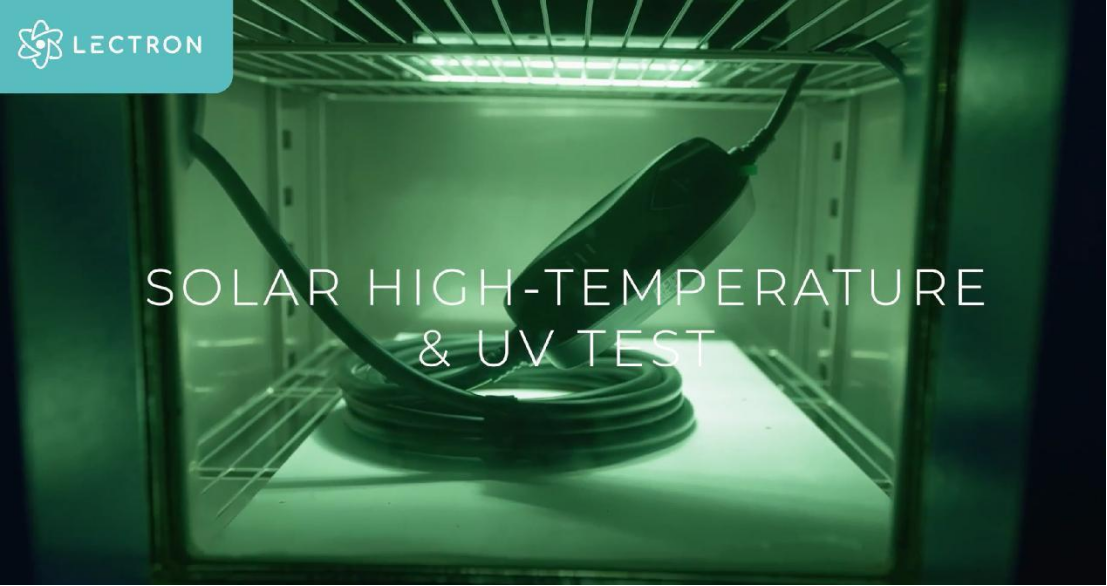
A major technical hurdle for outdoor chargers is “thermal derating.” When internal components exceed specific temperature thresholds, many chargers automatically reduce their power output to prevent damage, resulting in frustratingly slow charge times. To maintain a consistent 40-amp output, premium units utilize high-conductivity copper wiring and heat-dissipating internal layouts. By minimizing electrical resistance, these chargers can deliver a steady 9.6 kW of power even when the external temperature exceeds 100°F (38°C), ensuring your vehicle is ready for the road without delay.
- UV-Resistant Material Science
Long-term exposure to direct sunlight can cause standard plastics to become brittle, crack, or fade, eventually compromising the unit’s internal seals. Technical excellence in this domain requires the use of high-grade thermoplastics integrated with UV inhibitors. This innovation ensures the chassis maintains its structural integrity and impact resistance over years of exposure. By preventing the casing from degrading, the charger ensures that sensitive internal logic boards remain shielded from the environment, maintaining a professional aesthetic and functional reliability for the long haul.
- Smart Circuitry and Overheating Protection
Advanced outdoor chargers incorporate sophisticated sensors that monitor temperature at both the plug and the internal controller. If a connection becomes loose or an outlet begins to overheat due to high ambient temperatures, the smart circuitry will immediately intervene. This proactive safety measure is essential for outdoor installations where equipment is often left unattended for long periods, providing peace of mind that the charging process is as safe as it is efficient.
Reliability in the Storm: Ingress Protection and Cold-Weather Resilience
Conversely, when facing heavy rain, sleet, or snow, the technical focus pivots to moisture exclusion and mechanical resilience. In these conditions, the charger must act as a fortress against the elements to prevent electrical faults and ensure user safety.
- NEMA 4 and IP-Rated Ingress Protection
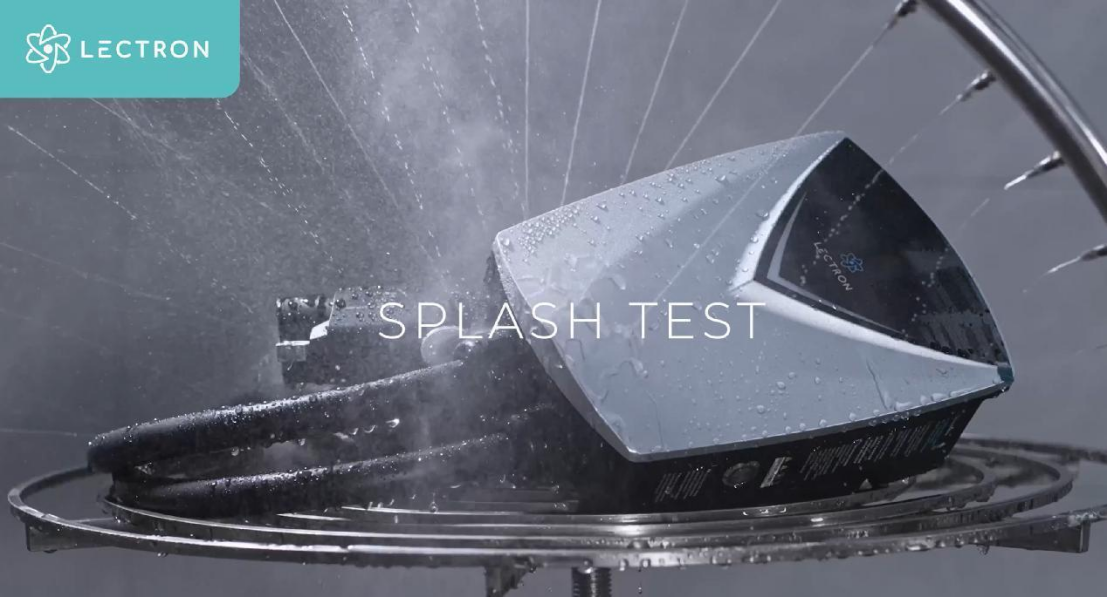
The most critical technical requirement for any outdoor-rated electronic is its protection against solids and liquids. A high-quality Level 2 charger features heavy-duty gaskets and precision-engineered seals that meet NEMA 4 standards. Many premium charging solutions also undergo independent testing to verify environmental durability. For example, Lectron chargers feature an IP66-rated enclosure, providing a high level of protection against dust ingress and powerful water jets, making them well-suited for outdoor installations exposed to rain, snow, and harsh weather conditions. This ensures the device is completely protected against windblown dust and rain, as well as splashing water. Whether it is a thunderstorm or a blizzard, the internal high-voltage components remain dry and isolated, preventing short circuits and maintaining the longevity of the device.
- All-Weather Cable Flexibility and Insulation
Rain often brings rapid temperature drops, and in winter, standard charging cables can become stiff and difficult to maneuver. Technical innovation in cable manufacturing has led to the development of heavy-duty, high-flexibility insulation that remains pliable in sub-zero temperatures. The 23-foot extension cords on top-tier portable chargers are designed to be easily coiled and handled even in freezing rain, preventing the micro-cracks in the insulation that can lead to safety hazards in lower-quality equipment.
- Advanced Leakage Protection (GFCI)
Moisture is a natural conductor, making Ground Fault Circuit Interrupter (GFCI) technology a non-negotiable requirement for outdoor charging. Integrated leakage protection monitors the electrical current flow and can detect even the smallest imbalance caused by moisture interference. If an anomaly is detected, the charger instantly cuts power in milliseconds. This level of responsiveness is vital for outdoor environments where the interaction between electricity and water is a constant reality, ensuring the safety of the user and the vehicle’s onboard systems.
Beyond integrated GFCI protection, independent safety certification is an important indicator of charger quality. Leading EV chargers are tested to standards such as UL 2594 (Electric Vehicle Supply Equipment), UL 2231 (Personnel Protection Systems), UL 2251 (EV Charging Connectors), and UL 817 (Cord Sets and Power Supply Cords). These certifications verify critical aspects of charging safety, including shock protection, cable integrity, ground-fault protection, and overall system reliability.
Lectron: Mastering the Elements for Reliable Home Charging
As the electric vehicle market matures, the distinction between basic hardware and resilient infrastructure becomes clear. Lectron has established itself as a market-leading brand by specifically engineering solutions that thrive in “Rain or Shine” conditions. By focusing on the rigorous technical requirements of the North American climate–from high-amperage thermal stability in desert heat to NEMA 4-rated waterproofing and IP66 environmental protection in coastal storms–Lectron ensures that every EV driver has access to a dependable charging lifeline. Products such as the Nexus Home Charging Station are independently safety certified to UL 2594, UL 2231, UL 2251, and UL 817 standards (ETL Listed), validating performance in areas such as shock protection, cable durability, and charging system reliability.
The company’s core advantage lies in its holistic approach to hardware longevity. Rather than offering a one-size-fits-all product, Lectron delivers a versatile lineup that fully supports both J3,400 (NACS/Tesla) and J1772 standards, ensuring no vehicle is left behind. This universal compatibility is backed by a commitment to rugged material science, third-party safety validation, and technical rigor. Across its charging portfolio, Lectron chargers are certified to key industry standards including UL 2594, UL 2231, UL 2251, UL 817 (ETL Listed), FCC, ENERGY STAR®, and IP66 environmental protection requirements, helping ensure dependable operation in real-world outdoor environments.
For more information on the full range of charging solutions, visit the official website at: https://lectron.com/
This article was originally published by IssueWire. Read the original article here.
