
Global Packaging Industry Exhibitions: Meet the Reliable Manufacturer of Premium Meat – Seafood Absorbent Pads


(YorkPedia Editorial):- Zhuhai, Guangdong Jun 9, 2026 (Issuewire.com) – The landscape of the international food packaging industry is currently undergoing a significant transformation, driven by the increasing demand for enhanced food safety and extended shelf-life solutions. As global supply chains become more complex, the role of specialized packaging components in maintaining the integrity of perishable goods has never been more vital. Among these essential components, the selection of a reliable Meat & Seafood Absorbent Pads Manufacturer has become a priority for distributors and retailers aiming to optimize their fresh-cut protein programs. These technical solutions are central to moisture control, ensuring that products remain visually appealing and microbiologically stable from the processing plant to the consumer’s kitchen.
The Evolution of Absorbent Technology in Global Trade
The movement of fresh meat and seafood across international borders requires packaging that can withstand the rigors of logistics while actively preserving the product. In the early days of retail packaging, simple cellulose-based materials were used to manage purge. However, as the industry shifted toward long-distance distribution and extended display times, the need for more sophisticated absorption mechanisms became apparent. Modern solutions now rely heavily on Super Absorbent Polymers (SAP) to lock in excess fluids, a development that has redefined standards for hygiene and presentation in the meat gallery.
Global industry exhibitions frequently highlight these advancements, showcasing how material science can mitigate the risks associated with fluid accumulation. By effectively managing the microenvironment within a vacuum-sealed or modified atmosphere package, high-performance absorbent pads prevent the proliferation of spoilage-inducing bacteria. This technical approach is not merely about aesthetics; it is a fundamental aspect of modern food safety management that supports the commercial viability of high-value proteins in a competitive global market.
Technical Expertise and Manufacturing Scale
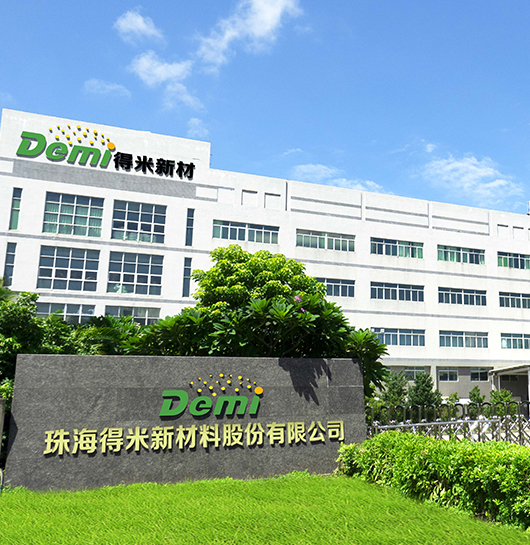
Established in 2003, Demi Co., Ltd. has spent over two decades focusing on the research, development, and manufacturing of super absorbent polymers and their related applications. As a professional high-tech private enterprise, the company has scaled its operations to include more than 200 employees and 80 dedicated production lines. This manufacturing capacity is essential for meeting the high-volume requirements of the international food processing sector. The ability to produce food contact grade fresh produce absorbent pads at scale ensures that supply chains remain consistent, even as global demand fluctuates.
The technical foundation of these products lies in the precision of the SAP formulation. Unlike standard materials, these polymers are engineered to absorb many times their own weight in liquid while maintaining structural integrity under pressure. This ensures that the absorbed fluids remain trapped within the pad’s core, preventing re-wetting of the food surface. This level of technical consistency is why these products have successfully reached markets in over 100 countries across Europe, Asia, North America, South America, Oceania, and the Middle East.
Preservation Standards for Meat and Seafood
In the protein sector, the presence of excess liquid–or purge–is a primary factor in the degradation of product quality. When meat or seafood sits in pooled moisture, the proteins begin to break down more rapidly, leading to discoloration and the development of off-odors. Food contact grade fresh produce absorbent pads are designed to intervene in this process by rapidly wicking moisture away from the product. This creates a drier contact environment that inhibits the growth of aerobic microorganisms, which are the main culprits in premature spoilage.
For seafood in particular, which is highly sensitive to temperature changes and enzymatic activity, the use of specialized absorbent materials is a critical safety measure. By maintaining a clean and dry tray environment, the packaging helps preserve the delicate texture and natural flavor profile of the fish. These pads must adhere to strict quality system certifications to ensure they do not alter the organoleptic properties of the food they protect. This commitment to quality is backed by numerous patents, reflecting a continuous investment in innovation within the absorbent polymer field.
Enhancing Produce Longevity
While the focus is often on proteins, the application of moisture management technology extends significantly into the produce sector. Fruits and vegetables are living organisms that continue to respire after harvest, often leading to condensation within their packaging. If this moisture is not managed, it can lead to fungal growth and the softening of plant tissues. Incorporating food contact grade fresh produce absorbent pads into vegetable trays or berry containers helps to regulate the internal humidity levels.
This application is particularly important for pre-cut or “ready-to-eat” produce, where the surface area exposed to the air is increased. By absorbing the water released through respiration and preventing it from pooling at the bottom of the container, these pads help maintain the crispness and nutritional value of the vegetables. For retailers, this means a reduction in “shrink”–the loss of inventory due to spoilage–and for consumers, it means a product that stays fresh for a longer period after purchase.
Logistics and Global Market Reach
The efficiency of a global manufacturer is often measured by its ability to navigate different regulatory environments and logistical challenges. With a market presence spanning six continents, the importance of adhering to international food safety standards cannot be overstated. Manufacturers must ensure that every food contact grade fresh produce absorbent pad meets the rigorous testing requirements of different regions, ensuring that the materials are safe for direct contact with food and do not contain harmful migratable substances.
The logistics of shipping these components also require careful management. Because absorbent pads are lightweight but can be bulky, optimized production and packaging are necessary to keep transportation costs sustainable. By operating 80 production lines, a manufacturer can provide the flexibility needed to customize pad sizes and absorption capacities based on the specific requirements of different international clients, from small-scale artisanal processors to large-scale industrial packing plants.
Sustainability and Waste Reduction in the Food Chain
A significant driver of innovation in the packaging industry is the global effort to reduce food waste. According to international food organizations, a substantial portion of food waste occurs at the retail and consumer levels due to spoilage. Effective moisture management via food contact grade fresh produce absorbent pads directly addresses this issue by extending the usable life of the product. Every additional day of shelf life gained through proper absorption technology represents a reduction in the environmental footprint of food production.
By preventing premature spoilage, these pads ensure that the resources invested in raising livestock or growing crops–such as water, feed, and energy–are not wasted. Furthermore, modern SAP technology allows for high absorption capacity with minimal material usage, aligning with industry goals to reduce the overall volume of packaging waste. This balanced approach to performance and resource efficiency is a hallmark of professional high-tech enterprises in the modern era.
The Role of Quality Certifications and Patents
In the high-stakes environment of food safety, documentation and verification are essential. A manufacturer’s portfolio of patents and quality system certifications serves as a benchmark for reliability. These credentials indicate that the research and development process is grounded in scientific rigor and that the manufacturing environment is held to high standards of hygiene and consistency. For B2B procurement officers, these certifications provide the necessary assurance that the components will perform as expected throughout the shelf life of the food product.
The 20-year history of Demi Co., Ltd. in this specialized field highlights a long-term commitment to these standards. The evolution from a focused SAP researcher to a global supplier of food contact grade fresh produce absorbent pads demonstrates how consistent investment in technology can solve practical problems in the food supply chain. This experience is particularly valuable when developing solutions for new packaging formats, such as eco-friendly trays or high-barrier films, where moisture management remains a non-negotiable requirement.
Future Outlook for the Packaging Industry
As we look toward the future of the packaging industry, the integration of functional components like absorbent pads will continue to play a central role. The trend toward more transparent and honest packaging means that products must not only be safe but must also look appealing to the consumer. A clean, dry package is a visual indicator of quality and freshness. The ongoing refinement of super absorbent polymers will likely lead to even more efficient designs, potentially incorporating antimicrobial properties or indicators that provide real-time information about product freshness.
International exhibitions will remain the primary venue for introducing these innovations to the global market. These events allow manufacturers to demonstrate the practical benefits of their technology to a diverse audience of food scientists, packaging engineers, and retail executives. By staying at the forefront of SAP research, professional enterprises ensure they are ready to meet the next generation of challenges in food preservation and global logistics.
The preservation of fresh food is a complex task that relies on the seamless integration of various packaging technologies. The use of food contact grade fresh produce absorbent pads is a proven method for managing moisture and extending the shelf life of meat, seafood, and vegetables. Through 20 years of expertise in super absorbent polymers, Demi Co., Ltd. has established a robust manufacturing framework that supports food safety and quality in over 100 countries. By maintaining high standards of production and a commitment to technical innovation, the company continues to provide essential solutions for the global food industry. Detailed information regarding these technical solutions and corporate capabilities can be found at https://demi.com.cn/.
This article was originally published by IssueWire. Read the original article here.
