
FAQs: What to Look for in a Reliable X-Ray Protection Apron Supplier? Visit DOUBLE EAGLE at CMEF Shanghai


(YorkPedia Editorial):- Longkou, Shandong Jun 14, 2026 (Issuewire.com) – When healthcare facilities and procurement departments upgrade their radiation safety protocols, one critical question consistently arises: What to Look for in a Reliable X-Ray Protection Apron Supplier? Selecting a vendor in the medical imaging field involves analyzing material longevity, ergonomic design, regulatory compliance, and historical manufacturing expertise. A trusted partner must not only deliver protective gear that meets strict international attenuation standards but also innovate continuously to reduce wearer fatigue without compromising shielding integrity.
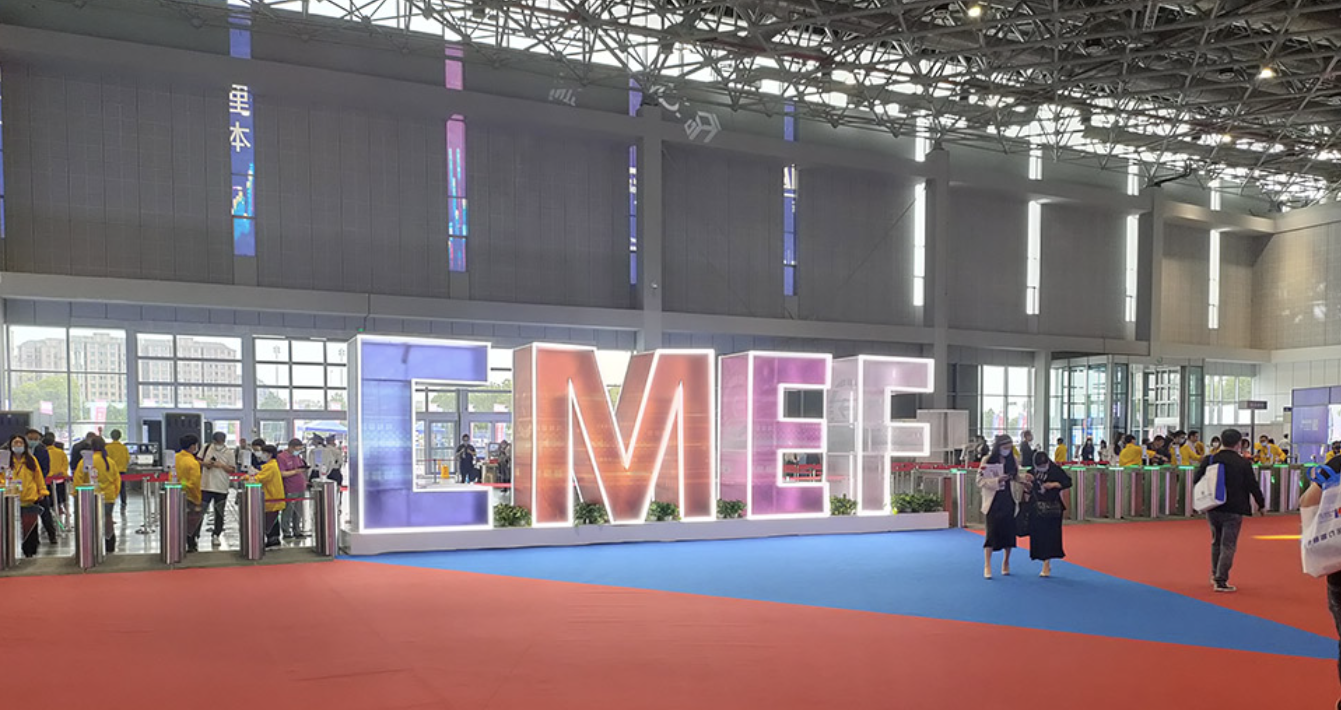
To help medical professionals address these critical safety and procurement requirements, industry leaders gather annually at the China International Medical Equipment Fair (CMEF) in Shanghai. This premier global trade show serves as an essential platform where clinical buyers can directly evaluate advanced protective technologies, inspect product weight distributions, and engage with established manufacturers to secure high-quality radiation protection solutions from specialized products portfolios.
The China International Medical Equipment Fair (CMEF) in Shanghai stands as one of the most authoritative and comprehensive medical device exhibitions globally, serving as a barometer for the Asian Pacific healthcare market. For decades, it has attracted leading medical institutions, distributors, and global experts who evaluate cutting-edge clinical equipment. Attendees consistently praise the exhibition for its unparalleled scale and the experiential value it provides, allowing procurement officers to physically test the flexibility and weight distribution of personal protective equipment (PPE). At the upcoming CMEF Shanghai event, visitors to the booth of DOUBLE EAGLE will gain comprehensive insights into the evolution of radiation shielding technology, exploring how foundational material science transforms into high-performance clinical protective wear.
Q1: How does a manufacturer’s historical development and longevity impact the reliability of X-ray protection products?A1: The Foundations of Manufacturing Expertise and Standards
A manufacturer’s history is directly tied to the consistency and reliability of its radiation shielding. In the specialized field of radiation protection, manufacturing experience is a primary indicator of structural integrity and quality control. For instance, Shandong Double Eagle Medical Device Co., Ltd. initiated the development of the first Chinese-made lead apron in 1978, which established the baseline for localized X-ray protection manufacturing. By 1980, the introduction of the QH80 X-ray protective lead apron achieved performance standards comparable to international benchmarks of that era, effectively addressing critical gaps in clinical availability.
When a supplier possesses decades of continuous production history–such as developing specialized X-ray lead protective gloves in 1983 and establishing formal enterprise standards for radiation protection–they demonstrate a deep understanding of material degradation and protective consistency. The transition from a specialized Rubber and Plastic Research Institute experimental factory in 1990 to an expansive 20,000-square-meter modern facility in the High-tech Zone Technology Industrial Park by 2010 reflects an institutionalized approach to quality. For clinical buyers, this long-term industrial presence guarantees that the supplier has refined its compounding formulas, overcome common issues like lead particle clustering, and possesses the manufacturing infrastructure required to maintain strict adherence to international quality protocols over large production volumes.
Q2: What technical innovations should procurement managers look for to ensure user safety and comfort?A2: Soft Core Technology and Continuous Sheet Integrity
The core protective material inside an X-ray apron determines both its safety level and its physical flexibility. Traditional lead aprons often utilized small, spliced rubber pieces to form the internal protective layer, which introduced significant long-term risks because gaps could develop at the joints during repetitive clinical movements. A reliable supplier solves this vulnerability through advanced material science. A major milestone in this domain occurred in 1996 with the successful development of a new type of soft and ultra-thin protective lead rubber sheet. This innovation effectively eliminated the hidden radiation hazards associated with traditional rubber splicing by ensuring a uniform, continuous barrier.
Modern technical specifications require that the core protective sheets maintain an exceptionally smooth distribution of micro-fine lead particles or alternative lead-free elements within a high-grade polymer matrix. This precise formulation ensures that the sheet remains pliable and highly resistant to cracking or tearing when subjected to the frequent folding and rolling typical of a fast-paced hospital environment. By utilizing an ultra-thin, multi-layered internal structure rather than a single thick sheet, advanced protective garments allow clinical operators to maintain full range of motion during prolonged surgical or interventional procedures, significantly reducing musculoskeletal strain while maintaining complete attenuation uniformity across nearly every square centimeter of the garment.
Q3: What quality management certifications and standards are mandatory for a trusted international supplier?A3: Stringent Global Certification Protocols and Industrial Recognition
Compliance with international regulatory bodies is a non-negotiable criterion when evaluating a Reliable X-Ray Protection Apron Supplier. A manufacturer’s facilities and operational processes must be validated by independent auditing bodies to guarantee that each batch of protective equipment delivers the exact level of radiation attenuation specified. The baseline certifications for international medical device manufacturing include the ISO 9001 and ISO 13485 quality management system certifications. Achieving these standards confirms that the supplier maintains rigorous traceability and strict quality controls from raw material reception through compounding, calendering, and final garment assembly.
Industrial recognition within national and regional medical sectors further substantiates a supplier’s credibility. For example, historical rankings among the top 100 medical certification enterprises in Shandong Province and the top 200 nationwide highlight a manufacturer’s sustained compliance and operational excellence. These strict verification processes ensure that the protective aprons provide consistent material density and uniform shielding capability, protecting medical workers from the cumulative hazards of secondary scatter radiation during their long-term careers in fluoroscopy and interventional suites.
Q4: How do the design parameters of advanced products like the X-Ray Protection Lead Jacket balance protection with clinical ergonomics?A4: Analyzing Structural Parameters, Weight Distribution, and Specialized Applications
To understand the practical application of these technical standards, it is highly valuable to analyze the specific engineering parameters of advanced protective garments, such as the specialized X-ray protection lead jacket. Modern protective jackets are engineered to re-distribute the garment’s physical weight away from the wearer’s shoulders and across the hips. This ergonomic balancing is achieved through a multi-panel design featuring adjustable vest-style configurations or wide, integrated lumbar support bands. The technical specifications of these jackets typically offer selectable protection levels, commonly ranging from 0.25mmPb, 0.35mmPb, to 0.50mmPb lead equivalence, allowing medical facilities to precisely match their protective gear to the specific energy levels of their diagnostic and interventional X-ray equipment.
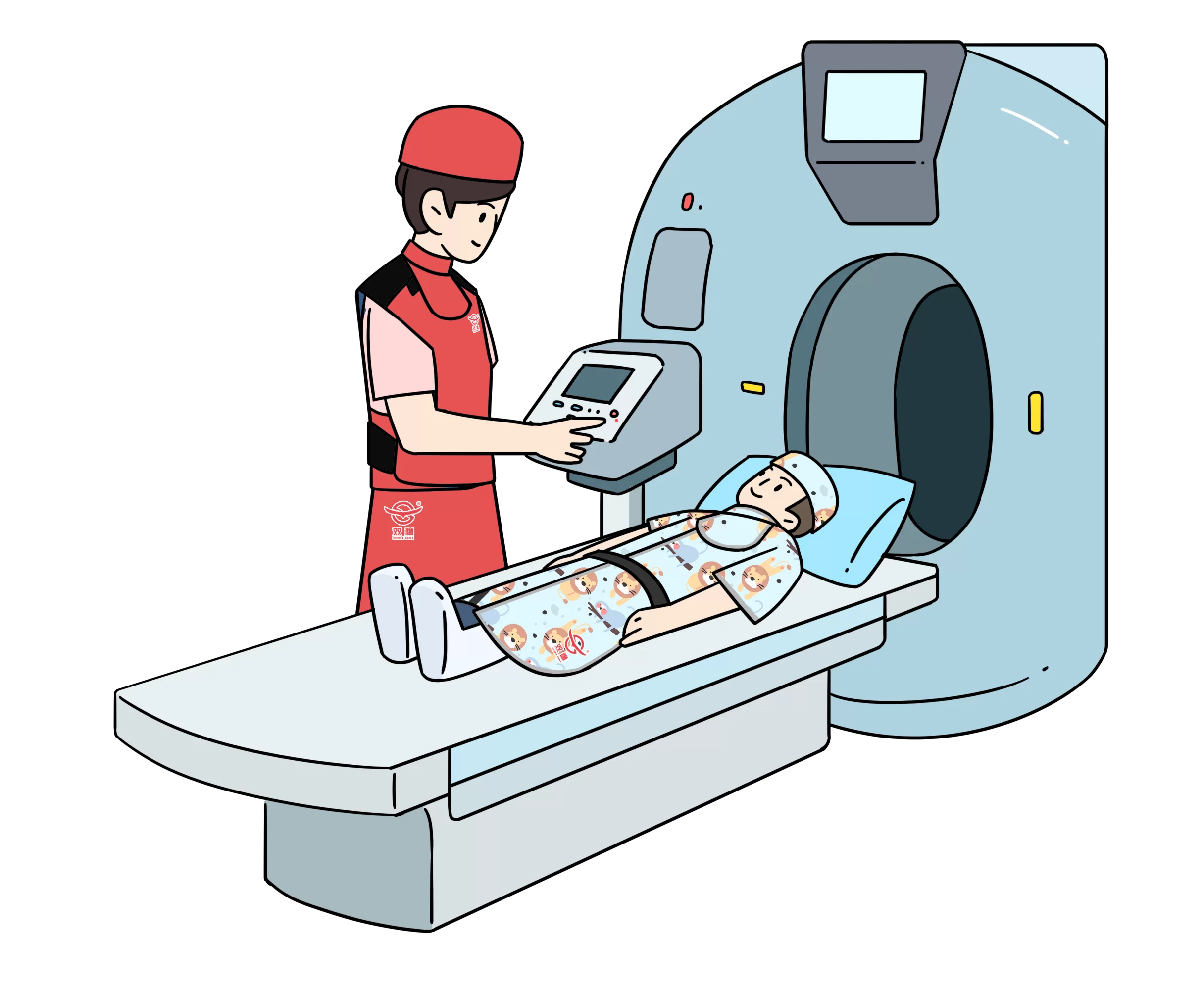
The functional application of these advanced garments extends across diverse clinical environments, from high-dose interventional cardiology suites and orthopedic operating rooms to standard computerized tomography (CT) control rooms and general radiography departments. Furthermore, specialized industrial and medical security requirements demand tailored shielding configurations. Between 2003 and 2008, the continuous expansion of protective product lines led to the successful development of specialized lead curtains for X-ray security scanning machines, demonstrating how core lead-rubber technology can be adapted to secure public transport hubs and freight inspection systems while maintaining strict industrial durability and precise radiation containment.
Q5: What can medical professionals and global distributors expect to experience at the DOUBLE EAGLE booth during CMEF Shanghai?A5: Direct Material Inspections, Expert Technical Consultations, and Procurement Verification
Visiting the manufacturer’s physical pavilion at CMEF Shanghai provides clinical buyers and international distributors with a practical opportunity to conduct rigorous product evaluations that cannot be replicated through digital catalogs. At the booth, visitors can directly handle the soft, ultra-thin protective sheets, examining the physical flexibility and surface consistency of the materials. Procurement teams can perform side-by-side comparisons of weight distributions between traditional lead-based garments and advanced lightweight protective composites, experiencing firsthand how structural tailoring mitigates physical fatigue during long clinical shifts.
In addition to hands-on product assessments, the exhibition space serves as a hub for direct technical consultations with senior material engineers and compliance experts. Visitors can verify specific test data, review certified attenuation curves across various kilovoltage (kVp) ranges, and discuss custom manufacturing requirements for tailored institutional orders. This level of direct engagement allows global distributors and hospital procurement managers to secure transparent supply agreements, confirm bulk production timelines, and establish long-term partnerships with an experienced manufacturer capable of meeting the precise regulatory and clinical safety demands of modern healthcare institutions worldwide.
For more information regarding the comprehensive portfolio of radiation shielding solutions and detailed technical specifications, please visit the official enterprise platform at https://www.doubleeaglexray.com
This article was originally published by IssueWire. Read the original article here.
