
Do We Still Have a Future? The Global South Brings Three Survival Questions and One Way Out to Geneva


Two-thirds of humanity risks entering the AI century as data providers and product consumers. At an August summit in Geneva, the Global South will argue the way out is neither waiting nor imitation — it is building together
(YorkPedia Editorial):- Geneva, Geneve Jul 12, 2026 (Issuewire.com) – Most technology conferences open with a product announcement. The summit convening at the Palais des Nations this August opens with three questions that read less like an agenda than an existential audit: Do we still have a seat at the table? Do we still have a choice? Do we still have a future?
For the Global South — home to two-thirds of humanity, the world’s oldest civilizations, and the engine of this century’s demographic and economic growth — the questions are not hypothetical. The algorithms its ministries deploy were designed elsewhere. The platforms its citizens depend on are governed elsewhere. The data those citizens generate creates value — elsewhere. “We are becoming the data colony of a handful of giants,” warns the manifesto of the summit. “And our sovereignty — quietly, algorithmically — erodes.”
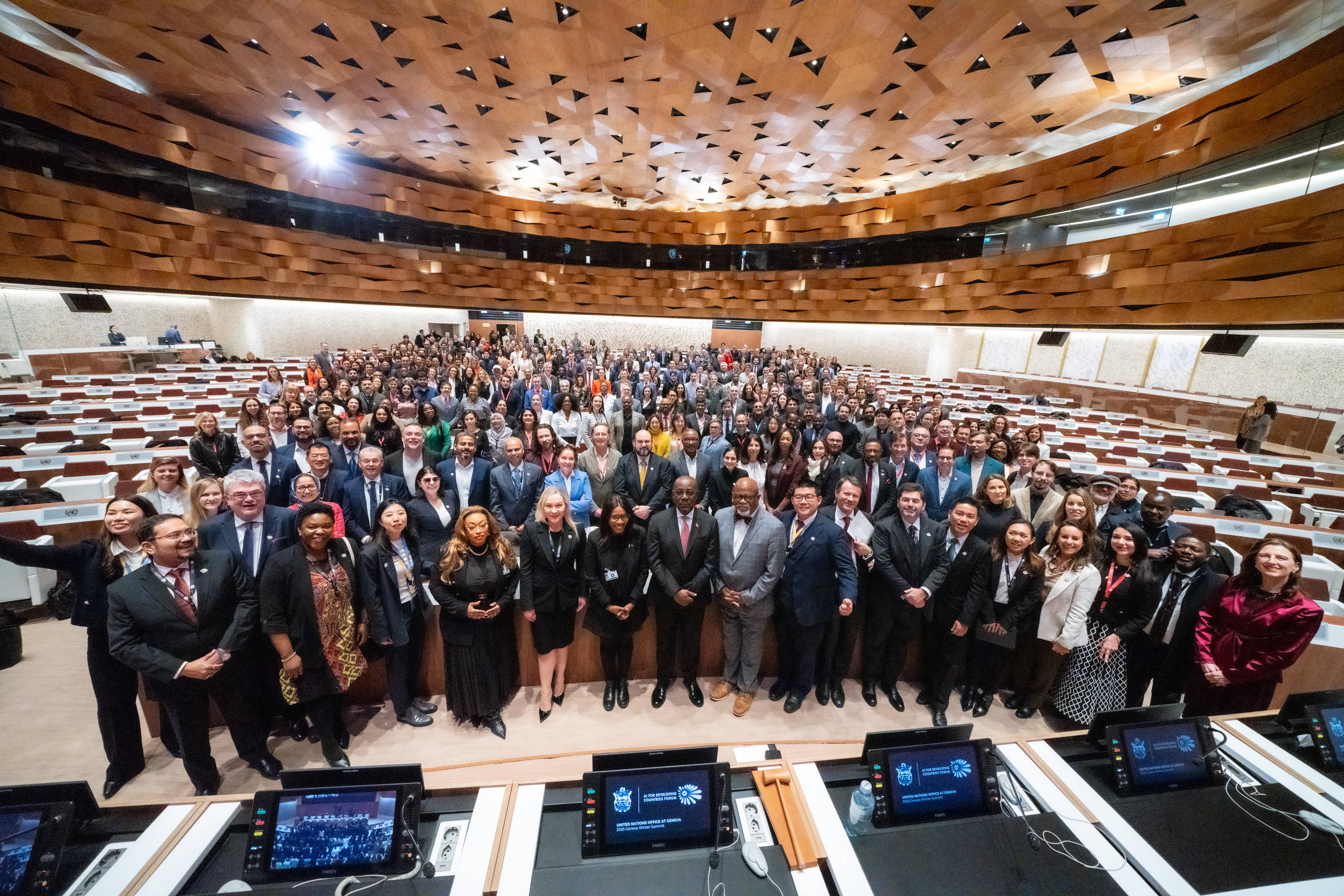
From 12 to 14 August 2026, ministers, founders, researchers, and civil-society leaders from more than 50 nations of the Global South will gather in the Assembly Hall of the United Nations Office at Geneva for “Small Takes the Lead: The Future Belongs to the Many, Not the Few,” convened by the AI for Developing Countries Forum (AIFOD), an independent nonprofit, in partnership with the Government of Antigua and Barbuda. Attendance is free for registered delegates.
A diagnosis of dependency
The summit’s intellectual starting point is a warning delivered in the same city one year ago by H.E. E. P. Chet Greene, Minister of Foreign Affairs of Antigua and Barbuda: “Without deliberate action, the growing AI innovation divide risks evolving into technological dependency.” It was not a prediction, organizers say. It was a diagnosis — and the deadline attached to it is unforgiving. AI, the summit argues, is the first technology in human history where the development gap could close within a decade — or lock shut for a century.
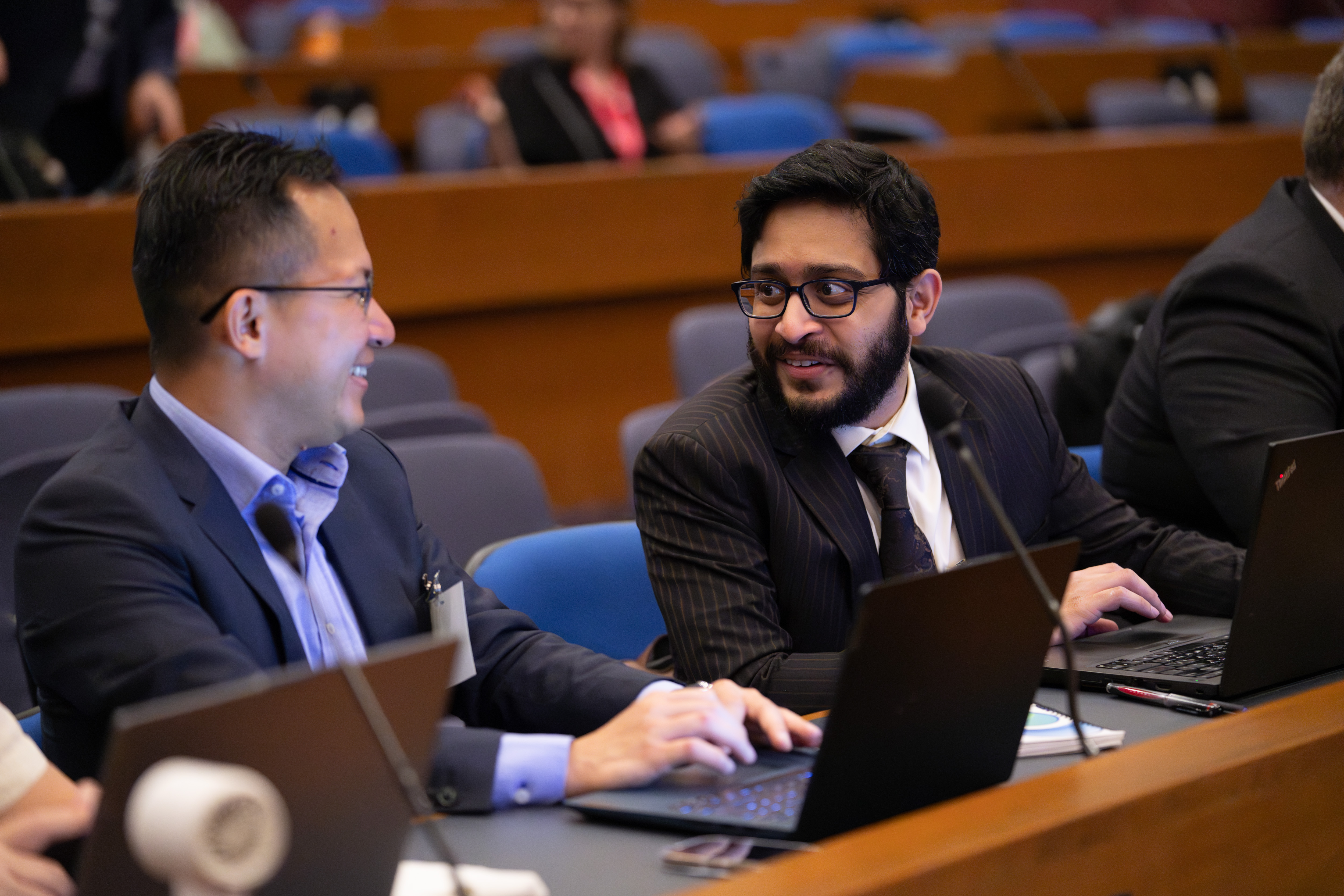
“The Global South has always been a spectator of revolution,” said Hammad Ali Nasir, a Pakistan-based e-commerce and AI entrepreneur, at a recent AIFOD gathering. “This time, with AI, we can become an actor rather than a spectator.”
The way out is neither waiting nor imitation
The summit’s answer rejects the two default strategies on offer. Waiting for the giants’ prices to fall is dependency on a payment plan. Imitating their trillion-parameter, billion-dollar playbook is a race the South cannot enter, let alone win. The third path — the summit’s path — is to change what counts as strength: small models fine-tuned on local data, running on hardware clinics and schools already own; sovereign data commons governed by the communities that produce the data; and above all, pooling — of compute, of weights, of standards, of negotiating power.
“Building digital sovereignty together offers the most promising path forward for the Global South,” said Vikrant Bhatnagar, Chief of HR IT at the United Nations Office of Information and Communications Technology, at an AIFOD session earlier this year.
Precedent, organizers note, favors the audacious small. Singapore rewrote global trade without natural resources. Estonia rewrote digital governance with 1.3 million people. Rwanda rewrote post-conflict reconstruction. None of them waited for permission — and none of them did it by imitation.
Three days to choose a future
The programme moves from diagnosis to commitment: country reports from 50+ delegations on day one; four working tracks — small nations, small enterprises, small models, small languages — on day two; and on day three, the drafting of the Geneva Compact on AI Sovereignty, the signing of the first bilateral pooled-compute agreements, and a closing commitment toward Nairobi 2027.
“The window is open,” the manifesto concludes. “We must walk through it together — or watch it close on the many, forever.”
Registration, programme, and delegate information are available at af.net.
About the AI for Developing Countries Forum (AIFOD)
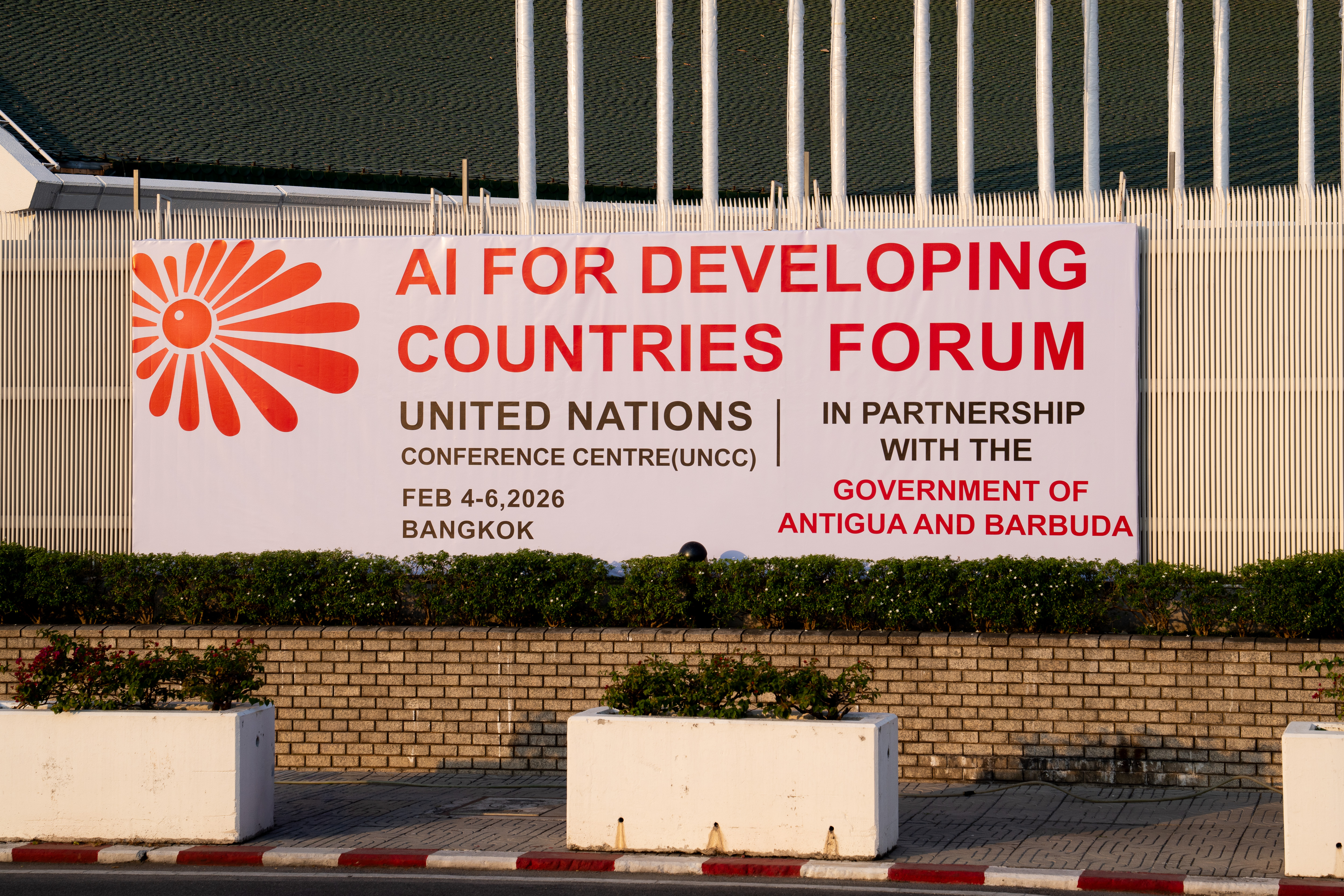
The AI for Developing Countries Forum (AIFOD) is an independent nonprofit organization with a community of 7,200+ members across 150+ countries, working to ensure that developing nations become active creators — not passive consumers — of artificial intelligence. AIFOD convenes summits, working sessions, and policy dialogues across Geneva, Vienna, Bangkok, and Nairobi. The 2026 Geneva Summit is held at the United Nations Office at Geneva; AIFOD is an independent organization and not a United Nations body.
This article was originally published by IssueWire. Read the original article here.
