
The Green Revolution: How PRSK’s Top-Rated DC Cross Flow Fans Cut Energy Costs in The Global Warming Era


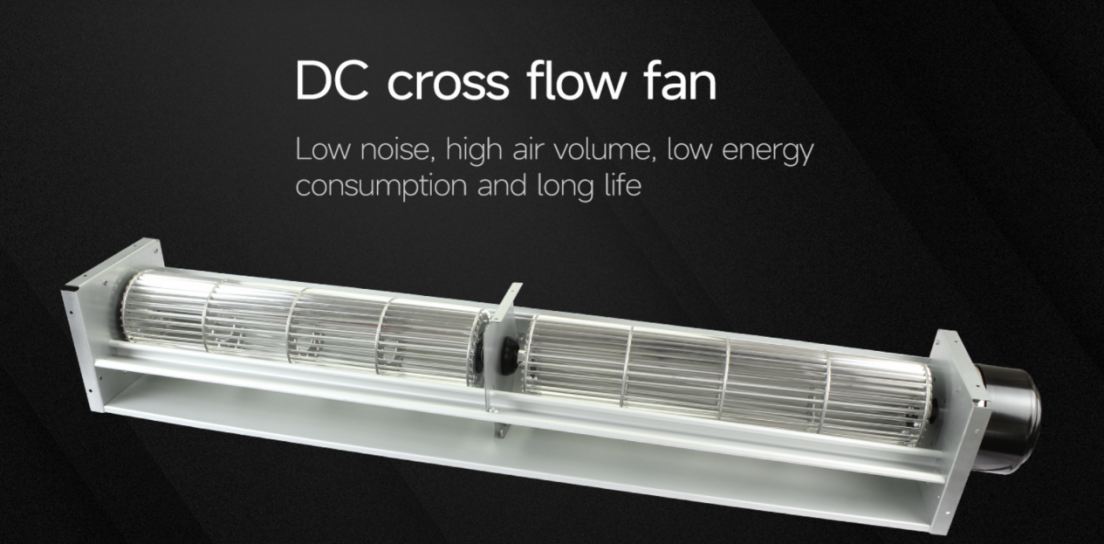
(YorkPedia Editorial):- Nanchang, Jiangxi Jul 28, 2026 (Issuewire.com) – In the global warming era, rising ambient temperatures have triggered an exponential increase in cooling demands across residential, commercial, and industrial sectors. As extreme heat waves become more frequent, the energy consumption associated with thermal management systems has skyrocketed, placing an unprecedented burden on electrical grids and corporate sustainability targets. To mitigate these environmental challenges, industries are shifting from conventional, energy-intensive ventilation systems toward high-efficiency technologies. Amid this transition, identifying a Top Rated DC Cross Flow Fan in China has become critical for engineers seeking to optimize airflow while minimizing carbon footprints. Modern direct current (DC) cross flow units provide a viable pathway toward significant energy conservation, offering precise thermal control that aligns with international carbon-neutral mandates.
A. Advanced Aerodynamic Architecture and Fluid Dynamics
The primary driver behind the energy-saving capabilities of modern cooling systems lies in their blade profile and fluid dynamics design. Traditional ventilation units often suffer from high turbulence and internal air friction, which forces the motor to draw more power to maintain consistent air velocity. Advanced engineering mitigates these losses by optimizing the impeller geometry.
Cross flow fans operate by drawing air through the rotor blades in a perpendicular fashion, generating a uniform, wide stream of air that travels smoothly across the system’s interior. By refining the blade pitch and using computationally verified curvature models, manufacturers can significantly reduce the internal vortex formation that typically causes energy dissipation. A well-engineered impeller ensures that air flows uniformly across the entire length of the outlet, preventing hot spots and eliminating the need for localized over-cooling, which inherently lowers the overall power consumption of the appliance or machinery.
B. High-Efficiency Brushless DC Motor Technology
While mechanical design dictates airflow behavior, the motor serves as the core determinant of electrical efficiency. Transitioning from alternating current (AC) motors to brushless direct current (BLDC) technology represents a major technological leap in thermal management. AC motors inherently suffer from slip losses and high heat generation within the rotor itself, which translates to wasted electrical energy.
In contrast, BLDC motors utilize permanent magnets and electronic commutation to eliminate mechanical friction and rotor copper losses. This allows the motor to maintain high torque even at lower operational speeds. More importantly, BLDC systems offer superior variable speed control. Instead of running continuously at maximum capacity, a DC cross flow fan can adjust its rotational speed in real-time based on the exact cooling load required. This dynamic scaling prevents unnecessary power consumption during periods of low thermal demand, leading to reductions in energy use of up to fifty percent compared to traditional AC counterparts.
C. Precision Manufacturing and Precision Mold Capabilities
The theoretical efficiency of aerodynamic and electrical designs can only be realized through precise manufacturing execution. In the cross flow fan industry, micro-deviations in blade alignment or housing geometry can cause aerodynamic imbalances, increasing structural vibration, mechanical noise, and electrical drag.
Achieving the tight tolerances required for high-efficiency operation requires a robust industrial foundation. Facilities with decades of specialized expertise utilize extensive toolsets, including over a thousand sets of precise molds, to ensure every impeller and housing component is dimensionally identical. Companies like PRSK, a professional cross flow fan manufacturer with over 20 years of industry experience, demonstrate how scaled infrastructure directly affects product quality. Established in 2002 and operating a 15,000 square meter facility with advanced machinery and over a hundred specialized staff, Jiangxi Hengcheng Industrial Co., Ltd demonstrates that long-term technological refinement is essential for producing components that consistently meet strict international energy standards.
D. Practical Implementation in Compact Thermal Systems
The practical value of high-efficiency DC cross flow fans is best demonstrated through integration into compact, high-performance thermal applications. A clear example of this can be found in specialized cooling applications, such as the PRSK 60mm series DC cross flow units designed for precise thermal regulation.
These units are frequently deployed in space-constrained environments such as under-floor heating convectors, air curtains, electronic rack cooling, and medical instrumentation. In these scenarios, space is limited, and traditional axial fans are often unsuitable because they require larger installation depths and create centralized, turbulent air pockets. The slim profile of the 60mm DC cross flow fan allows it to sit flush within narrow equipment chassis. It draws air evenly across a broad surface area, allowing heat exchangers to operate at optimal thermal efficiency. By maximizing the contact area between the cooling air and the heated elements, the system achieves the desired temperature drop with less volumetric airflow, reducing the workload on the motor and lowering total system energy costs.
E. Long-Term Reliability and Structural Sustainability
Energy efficiency cannot be evaluated solely on initial power consumption metrics; it must also be measured over the entire operational lifecycle of the product. Equipment that degrades rapidly or requires frequent replacement introduces substantial embedded carbon costs through manufacturing, shipping, and material waste.
Modern DC cross flow fans achieve long-term durability through advanced materials and robust structural engineering. The reduction of mechanical wear in brushless motors extends the operational lifespan of the bearings, which are typically the primary point of failure in ventilation components. Furthermore, high-quality aluminum alloys or reinforced polymers used in the impellers resist deformation under prolonged thermal stress. By maintaining structural integrity over tens of thousands of operating hours, these fans ensure that their aerodynamic efficiency does not degrade over time. This consistent performance provides commercial operators and original equipment manufacturers (OEMs) with predictable energy savings and reduced maintenance costs throughout the product lifecycle.
Conclusion
Addressing the challenges of the global warming era requires a comprehensive approach to energy conservation across all facets of hardware design. As demonstrated by the evolution of DC cross flow fans, small mechanical and electrical refinements can lead to significant reductions in global energy demand. By combining advanced aerodynamic design, efficient brushless motors, and precise manufacturing standards, modern ventilation systems provide a practical solution for reducing operational costs and carbon emissions. For organizations seeking to integrate these advanced cooling technologies into their product lines, detailed technical specifications and product catalogs are accessible through the company’s official platform at https://en.hcecn.com/.
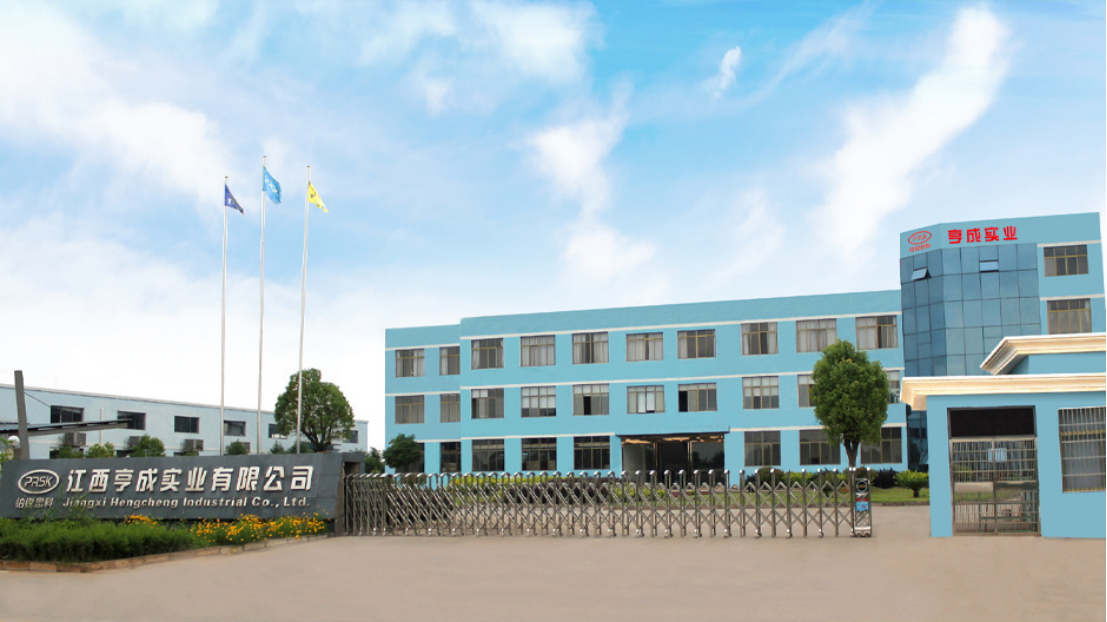
Source :JIANGXI HENGCHENG INDUSTRIAL CO.,LTD.
This article was originally published by IssueWire. Read the original article here.
