
Advanced HMI Control: Exploring China Leading Force Sensitive Resistor FSR Solutions by Suzhou Menhow


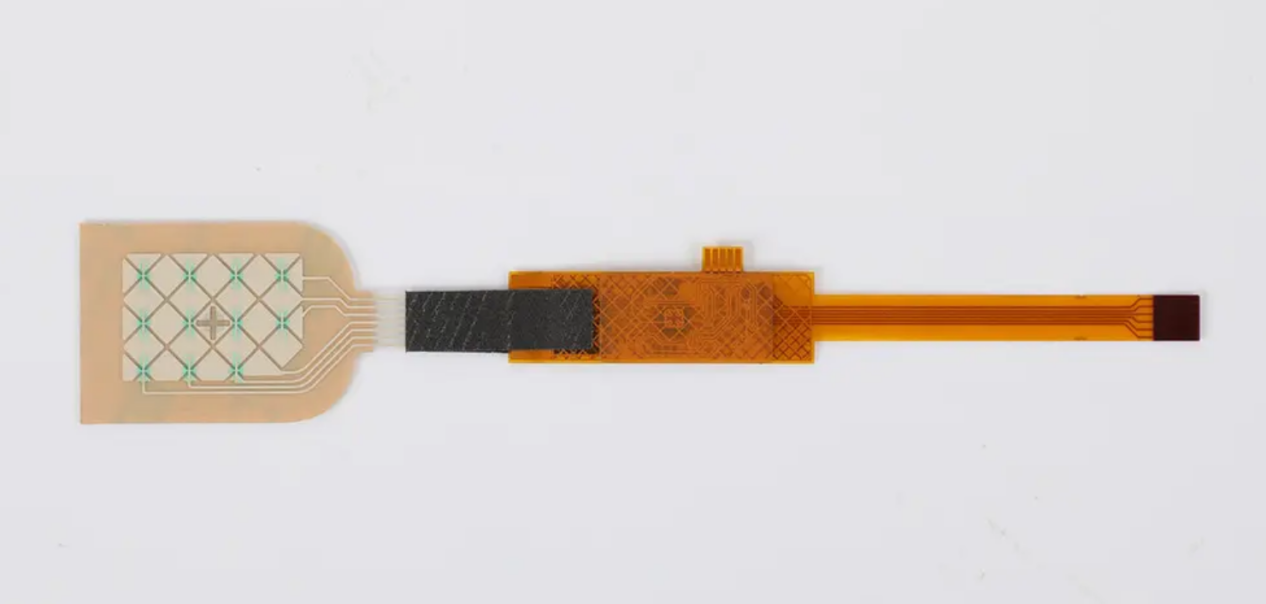
(YorkPedia Editorial):- Suzhou, Jiangsu Aug 2, 2026 (Issuewire.com) – How does a smooth, solid surface distinguish between an accidental brush and an intentional, firm command? As human-machine interfaces (HMI) transition from basic touch triggers to force-aware systems, force sensitive resistor FSR solutions have become a vital component across medical devices, automotive interiors, and premium consumer electronics. In this specialized field, high-precision engineering and manufacturing capabilities define product reliability, positioning China leading force sensitive resistor FSR solutions by Suzhou Menhow Electronic Co., Ltd. as a critical resource for global original equipment manufacturers (OEMs) seeking robust, customized sensor integration. By shifting from binary on-off mechanics to multi-level pressure detection, these modern components provide product designers with new opportunities to improve control layout, durability, and user interface safety.
The Fundamentals of Force Sensing in Modern HMI Architecture
Traditional control panels often rely on mechanical switches or capacitive touch. While mechanical switches provide tactile feedback, they face physical wear and mechanical noise. Capacitive touch enables sleek designs but suffers from accidental activations caused by moisture or gloves. Force sensitive resistors bridge this gap by combining a low profile with reliable intent verification. Operating on a piezoresistive principle, an FSR decreases its electrical resistance predictably as mechanical force increases, expanding the microscopic contact area between its conductive silver electrodes and specialized resistive ink to drop resistance from millions of ohms to a few thousand ohms under load.
For advanced HMI configurations, force sensitive resistor FSR solutions deliver substantial design integration advantages. At a total thickness under 0.3 millimeters, these ultra-thin, flexible sensors fit tightly into space-constrained assemblies without requiring structural casing redesigns. Eliminating moving parts entirely ensures silent, solid-state reliability free from mechanical fatigue or deformation. Furthermore, the technology enables graduated force detection to distinguish between a light tap or hard press for multi-stage menus, while allowing the flexible sensor layer to match curved plastic or glass overlays seamlessly to protect internal electronics.
Key Technical Variables for OEM Component Selection
Integrating force sensitive resistor FSR solutions into a commercial application requires careful alignment of material attributes and electronic performance metrics. OEMs evaluate several critical parameters during the initial engineering phase to ensure field reliability.
1. Active Area Layout and Geometry
The physical boundary of the sensing zone determines both tracking accuracy and structural compatibility. Standard configurations include round, square, or elongated strip layouts. However, complex HMI surfaces often require custom-engineered form factors. The size of the active area directly impacts the total operational force range and overall power dissipation limits. Suzhou Menhow accommodates these varied requirements by adjusting the layout geometry to match explicit housing openings, avoiding dead zones or edge-binding interference.
2. Actuation Threshold and Dynamic Range
A sensor must match the specific force profile of its application. For example, a medical smart bed monitoring patient position requires a heavy-load capability reaching hundreds of kilograms, whereas a control button on a surgical tool requires a sensitive activation threshold of just a few grams. Adjusting the formulation of the resistive ink and altering the structural layout of the interdigitating electrode lines allows the component to match precise force thresholds, ensuring clean signal separation across the intended operating range.
3. Trace Routing and Interface Termination
Connecting the flexible sensor to a rigid printed circuit board (PCB) demands reliable termination. Interconnect options generally feature Flexible Printed Circuits (FPC) or flexible silver traces that terminate in zero-insertion-force (ZIF) connectors, crimp pins, or direct solder leads. Pin pitches commonly span 2.54 mm, 1.27 mm, 1.0 mm, or 0.5 mm to match the spacing requirements of host controller boards. Secure termination prevents resistance drift at the joint, which is vital for maintaining accurate long-term calibration.
4. Environmental Sealing and Protective Integration
Sensors deployed in industrial control units or automotive cockpits must withstand moisture ingress, temperature fluctuations, and mechanical shear. Combining the flexible sensor with a liquid silicone rubber (LSR) frame or a precision-molded rubber component improves structural alignment and environmental sealing. This structural integration shields the active ink layer from moisture while providing predictable mechanical pre-loads, which helps prevent baseline signal drift over extended operating periods.
Engineering and Production Calibration at Suzhou Menhow
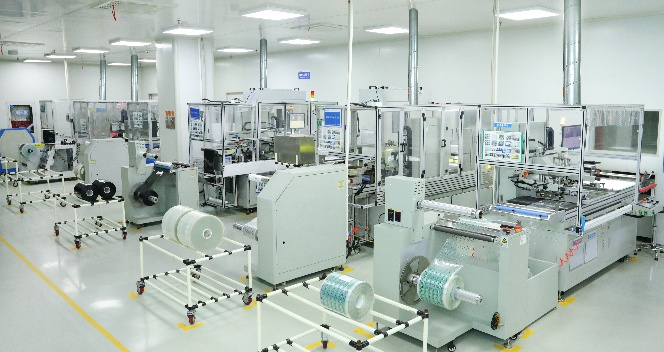
Suzhou Menhow has focused deeply on screen-printed flexible electronics for over 20 years, developing specialized competence in the precision manufacturing of complex pressure-sensing architectures. Developing high-yield force sensitive resistor FSR solutions depends heavily on the precision of the screen-printing process and the uniformity of the material deposition. Because the pressure-to-resistance curve relies on consistent ink thickness, microscopic variances in printing density can cause signal variation across production lots.
This systematic approach to manufacturing supports stable delivery for complex product lines. Suzhou Menhow Electronic Co., Ltd. manages the full development lifecycle, providing rapid prototype fabrication for New Product Introduction (NPI) phases as well as high-volume automated manufacturing. This production capability helps maintain strict consistency across small engineering runs and mass-production batches alike.
This manufacturing stability has enabled the company to support tier-one suppliers and international brands across multiple sectors. By providing reliable component engineering, the company helps global brands like Philips, Dyson, and Bosch deliver dependable performance in demanding consumer and medical applications. Furthermore, the rising demand for hidden control surfaces in electric vehicle cockpits has led the company to design robust sensor layouts that comply with strict automotive durability standards.
Advancing User Interface Design
Adding a force-sensing dimension allows product engineers to simplify control interfaces by replacing multiple single-purpose buttons with consolidated, multi-functional surfaces. This design approach reduces physical complexity, limits potential failure points, and protects delicate internal control circuits from moisture, dust, and physical impact.
As industrial, medical, and automotive sectors demand more resilient human-machine interfaces, specialized manufacturing expertise remains essential for product success. Through targeted engineering and controlled production processes, Suzhou Menhow delivers custom printed FSR systems that resolve complex integration challenges for modern product designs.
For detailed technical specifications, standard product sheets, or to coordinate NPI prototyping services, please visit: https://www.menhowsz.com/
Media Contact
Suzhou Menhow Electronic Co.,Ltd
+86 13913156123
No218,Yan Dang Mountain, High-Tech Area , Suzhou City , China
This article was originally published by IssueWire. Read the original article here.
