
Top Motorcycle Golf Cart Manufacturers for Global Buyers


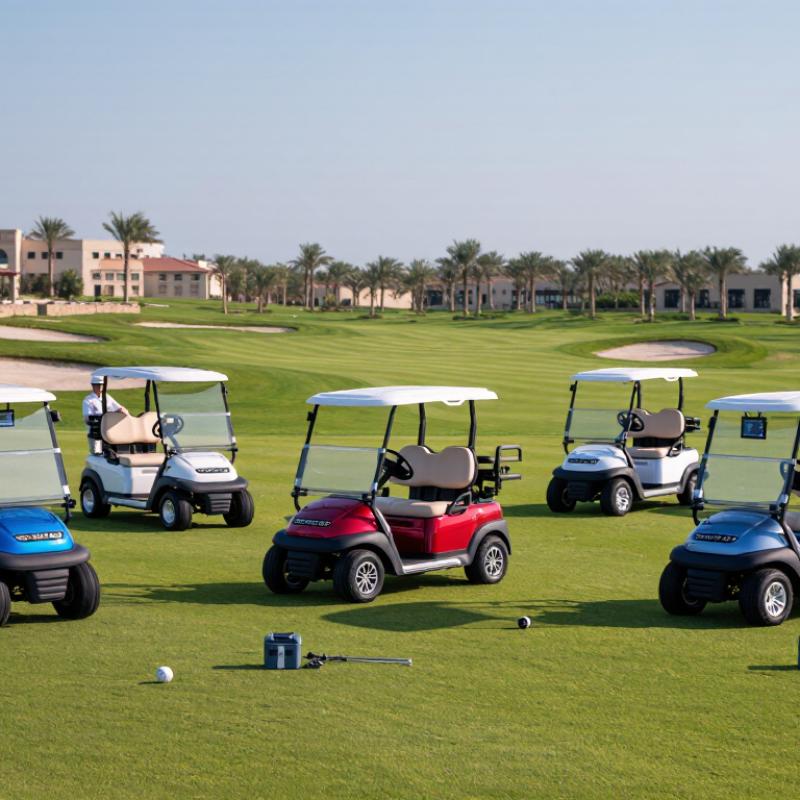
(YorkPedia Editorial):- Saint Petersburg, Florida Oct 8, 2026 (Issuewire.com) – The global market for compact golf mobility is shifting fast. Grand View Research put the global Golf Cart market at around USD 1.9 billion in 2023, and its report points to steady growth through 2030. Research and Markets flags tourism, resorts, private communities, and golf facilities as key demand areas. But here’s the thing: “Motorcycle Golf Cart” is still kind of a loose category. Some suppliers use the term for three-wheel utility vehicles. Others use it for compact electric carts with motorcycle-style controls. And that difference really matters to buyers around the world.
A motorcycle-golf-fleet consultant, Michael J. Shaw, puts it this way: “The right vehicle is not the fastest one; it is the one that fits the route, rider, and local service network.” Pretty practical advice, honestly. Buyers should look at turning radius, battery chemistry, charging time, ground clearance, braking, and how easy it is to get spare parts. A cart might feel agile near the clubhouse, then struggle on wet grass or steep resort roads. That small detail can turn into a costly operational headache.
This guide compares leading Motorcycle Golf Cart manufacturers by product range, manufacturing capability, export experience, customization, warranty support, and after-sales reliability. We look at company info alongside public market reports and published technical specs. Still, there are gaps in the market. Many manufacturers share limited test data, and product names aren’t standardized. So before placing an order, buyers should verify payload ratings, battery warranties, certifications, and dealer coverage. A polished brochure isn’t enough. Real performance usually shows up after months of daily use.
Motorcycle Golf Cart Manufacturers: Industry Overview and Market Scope
Motorcycle Golf Cartmanufacturers now serve a wider market than recreational venues. Their products combine motorcycle-style handling with Compact Golf Cart utility. Buyers use them at resorts, farms, campuses, warehouses, and private communities. This segment remains smaller than conventional golf vehicles, but its applications are expanding.
Manufacturers typically offer electric and fuel-powered configurations. Electric models suit quiet sites and short daily routes. Fuel-powered units may support longer operation where charging access is limited. Experienced buyers inspect battery capacity, motor cooling, braking performance, ground clearance, and turning radius. A vehicle that looks agile may struggle on wet grass or loose gravel. That detail matters.
Market scope varies by region, climate, and infrastructure. Manufacturers serving global buyers often adjust suspension, lighting, seating, charging systems, and safety equipment. They also need dependable parts supply and clear maintenance instructions. Local technicians should understand battery testing, tire wear, controller faults, and frame inspection. Some catalogs still blur motorcycle carts with ordinary utility vehicles. That creates confusion. Buyers should request load data, operating limits, warranty conditions, and verified test records before placing large orders. The market is developing, but standards are not perfectly consistent. A careful comparison remains necessary.
Key Features That Define a Reliable Motorcycle Golf Cart
A reliable motorcycle Golf Cart begins with controlled performance, not appearance. Its frame should resist twisting on uneven paths, while hydraulic or regenerative braking should remain predictable downhill. The 2024 Golf Cart Market analysis by Grand View Research estimates steady market growth through 2030, driven partly by electric utility vehicles. That growth raises buyer expectations. A dependable model needs a documented load rating, stable steering, weather-resistant wiring, and bright front and rear lighting. Small details matter. A loose battery connector can stop a vehicle far from the maintenance shed.
Battery quality is equally important. Look for a battery management system, thermal protection, clear charging instructions, and a replaceable service plan. The U.S. Department of Energy’s Alternative Fuels Data Center identifies battery temperature, charging practice, and vehicle weight as major influences on electric-vehicle efficiency. These points apply here too. Ask for independent test records, brake-distance results, water-ingress ratings, and spare-parts availability. A claimed range is only useful when tested with a stated load, slope, and temperature. Marketing numbers can disappoint.
Tips: Test the cart with real equipment inside. Check turning clearance beside a narrow path. Listen for brake noise. Inspect welds, cable routing, and tire wear. Confirm that local road and site rules permit the intended use. No checklist is perfect. Experienced buyers also ask how quickly a technician can diagnose a fault. Service access often matters more than a higher top speed.
Leading Manufacturer Types for Global BuyersTop Motorcycle Golf Cart Manufacturers for Global BuyersLeading Manufacturer Types for Global Buyers
Global buyers usually encounter three manufacturer types: original equipment producers, specialist golf cart builders, and contract manufacturers. Original equipment producers often provide mature platforms, documented testing, and stable production control. Specialist builders focus on motorcycle-style steering, narrow frames, and customized seating. Contract manufacturers can offer flexible volumes, but quality depends heavily on their engineering supervision.
A reliable supplier should explain its motor ratings, battery protection, braking performance, and load limits in clear technical documents. Ask for test records, inspection procedures, and replacement-part availability before discussing price. During a factory assessment, examine welds, cable routing, tire clearance, and corrosion protection. The Golf Cart Wheel Spindle deserves special attention because poor alignment can cause uneven tire wear and unstable handling.
Export experience also matters. Manufacturers should understand packaging, regional voltage requirements, labeling, and local vehicle regulations. A capable team will identify design changes instead of promising that one model fits every market. That honesty is valuable. A low quotation may hide weak after-sales support, limited spare parts, or inconsistent assembly. I would not approve a supplier from photographs alone. Samples can still reveal problems, such as noisy steering, loose fasteners, or charging delays. Even experienced buyers should leave room for another inspection.
How to Compare Quality, Performance, and Customization
For global buyers, comparing motorcycle golf cart manufacturers requires more than checking price. Grand View Research estimates the global golf cart market could grow at about 6% annually through 2030. That growth increases supplier choices, but not necessarily product quality. Request frame steel certificates, weld inspection records, and battery test results. A reliable manufacturer should explain load ratings clearly. Ask for evidence, not attractive photos.
Performance becomes visible on a real course. Test hill climbing, braking, turning radius, and suspension movement with two passengers. The U.S. Department of Energy reports that lithium-ion systems commonly achieve 90-95% round-trip efficiency. This can reduce charging losses, although temperature and charging habits still matter. Check motor output under load, not only its advertised peak rating. A quiet motor is useful. It is not proof of durability. In my view, many buyers overvalue top speed and undervalue braking distance.
Customization should solve operating problems, rather than decorate the vehicle. Compare roof height, cargo capacity, weather protection, controller settings, seat materials, and left- or right-hand controls. The International Organization for Standardization emphasizes documented quality processes through ISO 9001, but certification alone cannot guarantee field performance. Require sample inspection, spare-parts availability, wiring diagrams, and warranty response times. A factory may promise flexible production, yet struggle with small orders. That gap deserves careful questioning.
Top Motorcycle Golf Cart Manufacturers for Global Buyers
Comparison framework for evaluating quality, performance, and customization without ranking individual brands. Scores are normalized on a 0-100 scale using commonly published commercial vehicle specifications and buyer requirements.
How to use this chart: Prioritize safety, build quality, range, and payload capacity for fleet reliability. Evaluate customization and service support separately because configuration options, replacement parts, warranty coverage, and local maintenance capability can vary significantly between suppliers.
International Standards, Certifications, and Export Readiness
Top Motorcycle Golf Cart Manufacturers for Global Buyers
International buyers should evaluate motorcycle golf cart manufacturers beyond price and appearance. Export readiness begins with documented testing, traceable components, and clear technical files. A reliable supplier should identify which standards apply to the vehicle, battery system, charger, lighting, and braking equipment. Requirements differ by destination.
Ask for current test reports, factory quality records, and declarations supported by evidence. ISO 9001 can indicate controlled processes, but it does not replace product certification. Depending on the market, buyers may also need electromagnetic compatibility, electrical safety, battery transport, recycling, or chemical compliance documents. A Golf Cart Tail Light Kit should include verified wiring, sealed connectors, and lighting performance data. Small details matter.
Check the export package carefully. It should include the user manual, spare-parts list, packing specifications, serial-number records, and inspection photos before loading. Confirm that labels match the documents and that voltage ratings suit the destination. This is where problems appear.
A certificate folder can look impressive while hiding missing test scopes or expired reports. Buyers should review issuing laboratories and compare model numbers line by line. No supplier gets every shipment perfect. Even experienced teams should question unclear translations, inconsistent battery data, and unsupported claims about road approval. Factory audits, sample inspections, and written corrective actions create stronger evidence than promises alone. Availability of replacement parts also affects long-term reliability, especially when vehicles cross borders and service delays become expensive.
Pricing, Logistics, and After-Sales Support ConsiderationsTop Motorcycle Golf Cart Manufacturers for Global Buyers
Pricing often looks attractive before freight, accessories, and preparation fees are added. Ask manufacturers for a line-by-line quotation. It should include the vehicle, battery, charger, packaging, spare parts, and export documents. A lower factory price may hide costly upgrades later. For example, a Golf Cart Controller 48v can affect acceleration, battery use, and replacement costs. Confirm its specifications before approving the order. Check payment terms carefully. Small deposits can still create cash-flow pressure.
Logistics require practical planning. Measure the packed unit, not only the vehicle. Crate dimensions can change container loading costs significantly. Confirm production time, port location, shipping method, and estimated arrival window in writing. Ask whether batteries require special handling or documentation. Delivery delays happen. I have seen buyers plan showroom promotions around optimistic schedules, then lose valuable weeks. Build a buffer into your sales plan. It is not exciting, but it protects cash.
After-sales support separates experienced manufacturers from simple exporters. Request a written warranty with coverage periods for the motor, controller, charger, frame, and battery. Clarify who pays for replacement shipping and technical diagnosis. A reliable supplier should provide wiring diagrams, repair videos, and responsive parts support. Ask how quickly common components can ship. Test communication before purchase. Send three technical questions and measure the response quality. Slow answers before payment rarely become faster afterward. Keep records. Even good suppliers can make mistakes, and unclear conversations are difficult to resolve.
Conclusion
The Motorcycle Golf Cart market is expanding as global buyers seek compact, efficient, and versatile vehicles for golf courses, resorts, communities, farms, and commercial facilities. Reliable models are defined by strong frames, stable handling, durable batteries or power systems, comfortable seating, effective braking, practical cargo capacity, and easy maintenance. Manufacturers may specialize in standard recreational carts, utility-focused vehicles, customized transport solutions, or export-oriented production, allowing buyers to select products that match their operating environment and business needs.
When comparing suppliers, buyers should assess build quality, driving performance, energy efficiency, customization options, production consistency, and replacement-part availability. International certifications, safety compliance, documented quality procedures, and export experience are also important indicators of readiness for overseas markets. A complete purchasing evaluation should include transparent pricing, packaging, shipping arrangements, import documentation, delivery timelines, warranty terms, technical support, and after-sales service. Choosing a supplier with dependable communication and long-term support can reduce ownership costs and improve the overall value of a Motorcycle Golf Cart investment.
This article was originally published by IssueWire. Read the original article here.
