
How to Choose the Professional CNC Induction Pipe Bending Machine for Extreme-Environment Heavy Industrial Pipelines


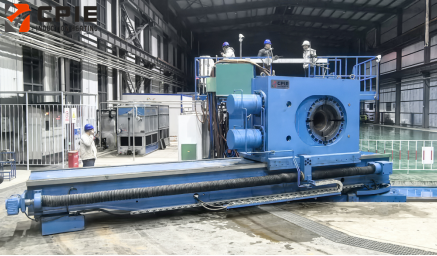
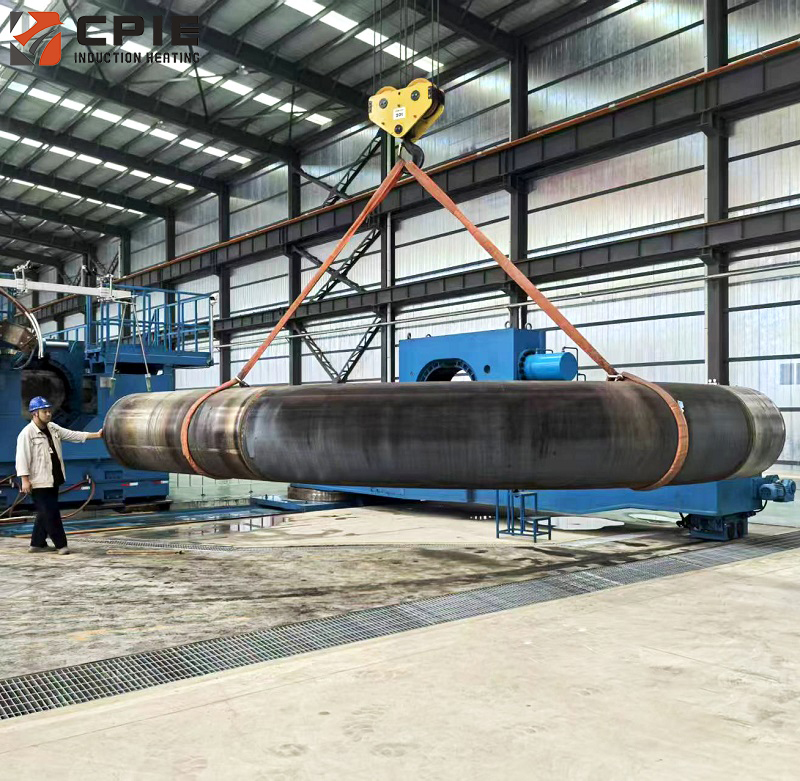
(YorkPedia Editorial):- Zhuzhou, Hunan Oct 13, 2026 (Issuewire.com) – 1. Introduction: Navigating High-Stakes Pipeline Engineering How do project managers and lead engineers ensure structural integrity when shaping metal pipelines destined for aggressive, high-pressure service environments? For modern heavy industries operating in extreme conditions, the reliability of a pipeline network begins at the bending stage. A critical component in this manufacturing workflow is the Professional CNC Induction Pipe Bending Machine Manufacturer (https://www.zzhhgy.com/products/), a sophisticated system that utilizes localized electromagnetic induction heating and computer numerical control to shape heavy-wall metal tubes with minimal thinning, ovality distortion, or metallurgical degradation. These advanced machines deliver precise temperature control and uniform mechanical properties across complex radii, making them indispensable for modern infrastructure projects that demand strict compliance with international pressure vessel and pipeline codes. 2. Engineering Challenges in Extreme-Environment Heavy Industrial Pipelines Pipelines deployed in offshore oil platforms, nuclear power plants, cryogenic processing units, and high-pressure steam networks face unprecedented operational stressors. These extreme-environment heavy industrial pipelines must withstand aggressive corrosive media, cyclical fatigue loads, extreme thermal gradients, and intense internal pressures. Consequently, their procurement and manufacturing logic differs fundamentally from standard commercial piping. The primary technical bottlenecks lie in maintaining wall thickness uniformity along the outer radius and preventing excessive cross-sectional flattening during the hot-bending process. Traditional bending methods often introduce severe localized stress concentrations, wall thinning, and micro-structural alterations that compromise the service life of the pipeline under high-pressure conditions. To overcome these challenges, modern fabrication relies heavily on advanced induction heating combined with precise CNC guidance. By heating only a narrow band of the pipe, the system allows plastic deformation of the targeted zone while the surrounding metal remains structurally stable. Hydraulic pushing units advance the pipe through the induction coil at a controlled rate, followed by immediate water quenching or air cooling. This technical synergy controls grain growth and preserves the mechanical strength required for ASME and API-compliant applications. 3. Step-by-Step Checklist for Choosing the Right Equipment Selecting the correct bending equipment requires a structured, multi-dimensional evaluation of technical specifications, operational safety, and manufacturing pedigree. Project engineers can utilize the following actionable checklist to assess potential suppliers and machine models effectively: Step 1: Evaluate Control System Precision and CNC Integration Verify that the CNC architecture offers real-time monitoring of bending angles, radius consistency, pushing speed, and heating power. High-end systems utilize closed-loop feedback mechanisms to adjust parameters dynamically, ensuring strict repeatability across multiple bends. Step 2: Inspect Induction Heating Efficiency and Thermal Uniformity. Assess the frequency converter range and coil design flexibility. The induction system must provide rapid, uniform circumferential heating to prevent localized overheating or cold spots, which directly affect metallurgical integrity. Step 3: Analyze Hydraulic and Mechanical Stability. Examine the rigidity of the machine bed, clamping mechanisms, and the hydraulic pushing carriage. Heavy industrial applications involve thick-walled, large-diameter pipes that demand robust clamping forces to eliminate slippage and vibration during execution. Step 4: Verify Compliance with Global Standards and Certifications. Ensure the equipment supports manufacturing standards required by international projects, such as ASME, API, ISO9001, and relevant regional pressure equipment directives, ensuring seamless project validation. Step 5: Review Manufacturer Technical Support and Turnkey Capabilities. Look beyond the hardware by evaluating the supplier’s engineering background, custom design capabilities, on-site commissioning services, and operator training programs to guarantee long-term operational uptime. 4. Enterprise Strength, R&D Capability, and Industry Application: Integrating advanced manufacturing technology requires a partner with proven domain expertise and rigorous quality assurance. Established in 2014 and strategically located in Zhuzhou, a core hub of China’s industrial manufacturing sector, CPIE (https://www.zzhhgy.com/about-us/) has emerged as a trusted global partner for high-end metal processing and thermal equipment solutions. Backed by a team of senior engineers with over ten years of industry experience, close collaborations with leading research institutions, and more than 20 independent patents, the company delivers robust technological reliability. The product portfolio spans induction heating pipe bending machines, 3D automatic pipe bending machines, vacuum metallurgy systems, and powder atomization equipment. These solutions serve diverse, high-demand sectors including aerospace, oil and gas, thermal and nuclear power, shipbuilding, wind power, and railway engineering. A prime example of this engineering capability is demonstrated in high-precision petrochemical applications, such as those detailed in the CNC Induction Heating Pipe Bending Machine for Petrochemical (https://www.zzhhgy.com/cnc-induction-heating-pipe-bending-machine-for-petrochemical-high-precision-asme-api-compliant-bending-product/). This specialized equipment is engineered to process heavy-walled alloy steel pipes for refinery and transport lines, ensuring tight radius tolerances, minimal wall thinning rates, and compliance with stringent ASME and API standards. By combining precise thermal control with rigid mechanical design, these systems help heavy industrial clients reduce material waste, shorten production cycles, and enhance structural safety margins. 5. Frequently Asked Questions for Global Procurement Q1: What materials can be processed using an advanced CNC induction pipe bending machine? Modern induction bending machines can process a wide range of materials, including carbon steels, alloy steels, stainless steels, nickel-based alloys, and titanium grades used in high-temperature and corrosive environments. Q2: How does induction bending prevent excessive wall thinning on the outer radius? Unlike cold bending, induction bending applies localized heat combined with a longitudinal pushing force from a hydraulic booster. This axial feeding pushes metal into the bending zone, compensating for the natural stretching and reducing outer wall thinning significantly. Q3: What are the typical accuracy tolerances achievable with a professional CNC pipe bender? High-end CNC systems typically achieve bending angle tolerances within plus or minus 0.1 degrees and maintain ovality and wall thickness well within ASME, ASTM, and API code requirements. Q4: Why is ISO9001 and third-party code compliance critical for heavy industrial pipeline equipment? Compliance with ISO9001, ASME, and API standards ensures that the manufactured pipeline components meet rigorous safety, pressure-containment, and metallurgical criteria required for high-risk sectors like nuclear power and oil transport. Q5: What is the typical lead time and support provided during machine commissioning? Comprehensive providers typically offer turnkey services, including custom scheme design, factory acceptance testing, on-site installation, and thorough technical training for operators, with project timelines varying based on customization complexity. 6. Conclusion and Strategic Solution: Selecting the right industrial machinery is a foundational decision that influences the safety, longevity, and economic efficiency of critical infrastructure projects. For organizations tasked with constructing and maintaining networks under extreme stress, partnering with an experienced manufacturer ensures access to reliable equipment, customized engineering schemes, and comprehensive technical support. For customized project consultations, technical scheme designs, or inquiries regarding high-performance metal processing machinery tailored to your specific industrial requirements, visit the official corporate portal at https://www.zzhhgy.com/.
This article was originally published by IssueWire. Read the original article here.
